ニンテンドースイッチ2レビュー:アップグレードする価値はあるのか?
2026年2月23日 • セサール・ダニエル・バレト
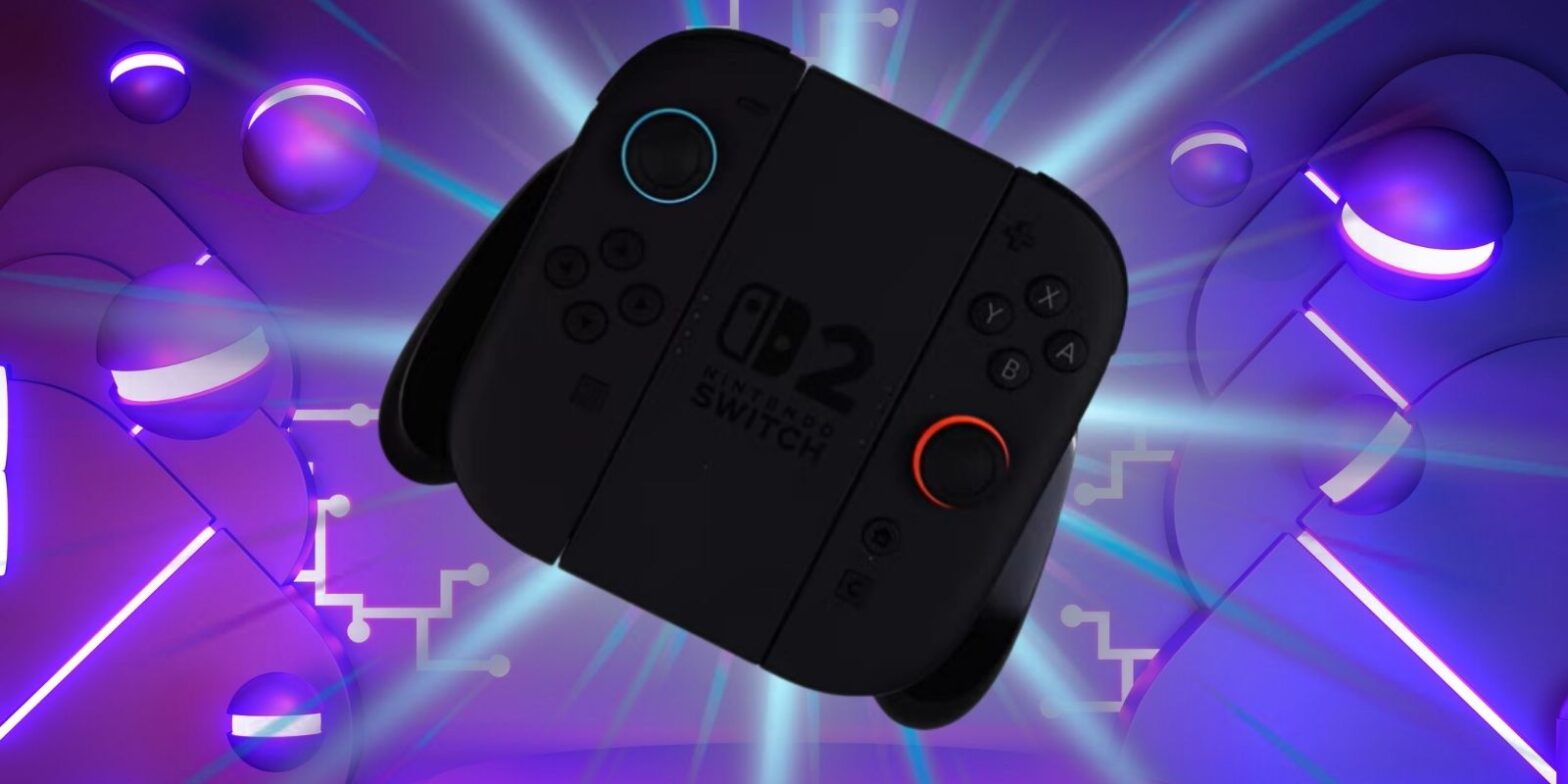
オリジナルのSwitchの待望の後継機がついに登場し、このNintendo Switch 2のレビューでは、アップグレードが本当に期待に応えるかどうかを詳しく見ていきます。より強力なハードウェア、再設計されたJoy-Conシステム、HDRサポート、VRR、4Kドック出力を備え、Nintendoは明らかにハイブリッドコンソールを現代化しようとしています。.
しかし、スペックを超えて、実際の疑問はシンプルです:Nintendo Switch 2は購入する価値があるのか、それともアップグレードする価値があるのか?
デザイン、性能の向上、ディスプレイ品質、バッテリー寿命、全体的な価値を分析した後、ここに完全な内訳があります。.
デザインとビルド品質
一見すると、Nintendo Switch 2はその前身を成功に導いたハイブリッドDNAを保持しています。ハンドヘルド、テーブルトップ、ドックモード間をシームレスに移行します。しかし、いくつかの改良により、より高級感があります。.
より大きな7.9インチディスプレイは、コンソールを劇的に大きくすることなく没入感を高めます。オリジナルのSwitchよりもやや重いですが、日常使用に十分なポータブル性を保っています。ビルド品質はより頑丈で、更新された素材がより現代的な仕上がりを与えています。.
Nintendoは、特に再設計されたコントローラーアタッチメントシステムにおいて耐久性を優先しています。.
ディスプレイとビジュアルパフォーマンス
このNintendo Switch 2のレビューで最大のアップグレードの1つは、ディスプレイ体験です。.
主なビジュアル改善点:
- ハンドヘルドモードでの1080p解像度
- ドック時に最大4K出力
- HDRサポート
- 可変リフレッシュレート(VRR)
- ハンドヘルドモードで最大120fpsサポート
HDRの実装は、コントラストと色の深みを大幅に改善します。明るいシーンは際立ち、暗い環境は詳細を増し、全体的な鮮やかさはオリジナルのSwitchと比較して明らかに改善されています。.
VRRは、特に高速移動するタイトルでの画面のティアリングやフレームペーシングの不一致を減少させます。ドックモードでは、4K出力がより大きなディスプレイでの画像の鮮明さを提供しますが、実際のレンダリング解像度はゲームの最適化に依存します。.
ビジュアルの忠実性を重視するプレイヤーにとって、その飛躍はすぐに気づかれます。同様に、他のスペースでのゲームレイアウトの進化を見ることができます。 カジノゲーム, など、創造性とリアリズムがさらに押し進められますが、Nintendo Switchで達成されたレベルには達していません。.
ゲームパフォーマンスと実際の体験
パフォーマンスは、Nintendo Switch 2が最も重要な飛躍を遂げるところです。.
アップグレードされたチップセットとGPUにより、コンソールはより要求の厳しいゲームを安定性を向上させて処理できます。最適化されたタイトルでは、フレームレートが60fpsを目指し、ロード時間はオリジナルモデルと比較して大幅に短縮されます。.
生のパワーでPS5のようなハイエンドコンソールと直接競争するわけではありませんが、Switch 2はハイブリッドカテゴリー内で性能のギャップをかなり縮めています。.
最適化パッチを受け取る古いゲームは、以下の恩恵を受けます:
- よりスムーズなフレームレート
- より速いロード
- 解像度の向上
- テクスチャレンダリングの改善
全体的に、ゲームプレイはより流動的で一貫性があり、特にアクションの多いシーケンスでそう感じられます。.
Joy-Con 2とマウスモード:意味のあるアップグレード
Joy-Conの再設計は、このNintendo Switch 2のレビューで取り上げられた最も実用的な改善点の1つです。.
磁気アタッチメントシステム
新しい磁気メカニズムはスライディングレールシステムを置き換え、より強力で安全なアタッチメント、より速いドッキングと取り外し、偶発的な切断のリスクを減少させます。初期ユーザーは軽微なファームウェア関連のディスプレイ接続問題を報告しましたが、アップデートがこれらの懸念に対処しています。.
マウスモード
おそらく最も革新的な追加機能はマウスモードです。この機能により、Joy-Con 2がコンピューターマウスのように機能し、ファーストパーソンシューティング、ストラテジーゲーム、シミュレーションタイトルでの精度を向上させます。実装は直感的で、特に精密なコントロールを求める競争的なプレイヤーにとってゲームプレイの可能性を広げます。.
バッテリー寿命と電力効率
バッテリーパフォーマンスはハイブリッドコンソールにとって常に重要です。Nintendo Switch 2は、より強力なハードウェアを補うために、より効率的なバッテリーシステムを導入しています。.
プレイヤーは、オリジナルのSwitchと比較して、より長い平均プレイ時間、カスタマイズ可能な電力設定、調整可能な明るさとパフォーマンスオプションを期待できます。.
HDRや高フレームレートが有効になっていても、バッテリーマネジメントは最適化されていると感じられます。長時間のハンドヘルドセッションでは、これは非常に重要です。.
後方互換性とゲームサポート
Nintendo Switch 2の最大の利点の1つは、その後方互換性です。.
ほとんどのオリジナルNintendo Switchタイトルがサポートされており、プレイヤーは既存の ゲームライブラリ. を引き継ぐことができます。ただし、すべてのタイトルが自動的にパフォーマンス向上を受けるわけではありません。.
Nintendoは、特定のゲームを確認するための互換性情報を提供しています。最適化されたパッチは、特定のタイトルをより高い解像度、より良いフレームレートの安定性、より速いロードで強化します。これにより、Switchゲームへの現在の投資が価値を保つことが保証されます。.
Nintendo Switch 2対オリジナルSwitch
| 特徴 | ニンテンドースイッチ2 | オリジナルSwitch |
|---|---|---|
| 画面サイズ | 7.9インチLCD | 6.2インチLCD |
| ハンドヘルド解像度 | 1080p | 720p |
| ドック出力 | 最大4K | 1080p |
| HDRサポート | はい | いいえ |
| VRR | はい | いいえ |
| フレームレートサポート | ハンドヘルドで最大120fps | 60fps標準 |
| Joy-Conアタッチメント | 磁気 | レールシステム |
| 価格 | $449.99 | $299.99 |
特にディスプレイ技術とパフォーマンスにおいて、違いは大きいです。.
携帯性:わずかなトレードオフ
より大きな画面とアップグレードされた内部構造がサイズと重量をわずかに増加させます。まだポータブルですが、オリジナルモデルと比較して旅行にはややコンパクトさが欠けるかもしれません。.
しかし、改善されたエルゴノミクスと洗練されたグリップデザインがこの変化を補います。ほとんどのユーザーにとって、利点はわずかな携帯性の妥協を上回ります。.
アクセシビリティとユーザーエクスペリエンス
Nintendoは、以下のような改善されたアクセシビリティ機能を含んでいます:
- カスタマイズ可能なコントロール
- 調整可能なディスプレイ設定
- テキスト読み上げオプション
これらの追加機能により、コンソールはより多様なプレイヤーにとって包括的で適応性のあるものになります。.
長所と短所
| 長所 | 短所 |
|---|---|
| 重要なパフォーマンスアップグレード | より高い価格帯 |
| 1080pハンドヘルド + 4Kドックサポート | やや重いデザイン |
| HDRとVRRがビジュアルを強化 | すべての古いゲームが完全に最適化されているわけではない |
| 磁気Joy-Conシステム | 初期の軽微なファームウェアディスプレイの懸念 |
| 革新的なマウスモード | |
| 強力な後方互換性 |
Nintendo Switch 2は価値があるのか?
このNintendo Switch 2のレビューは、アップグレードが意味のあるものであり、段階的なものではないことを示しています。.
主にハンドヘルドモードでプレイし、ビジュアルの向上とスムーズなゲームプレイを望み、ハイブリッドの柔軟性を重視するか、将来の最適化されたタイトルを購入する予定がある場合、Switch 2は価値のある投資です。.
しかし、主にオリジナルのSwitchでドックプレイをし、720pハンドヘルド解像度に満足しているか、パフォーマンスの向上を優先しない場合、アップグレードはそれほど緊急ではないと感じるかもしれません。.
最終評価
Nintendo Switch 2は、Nintendoのハイブリッドコンセプトを成功裏に現代化しています。パフォーマンス、ビジュアル品質、そして コントローラー デザインを向上させながら、ブランドを定義する柔軟なプレイモードを維持しています。.
伝統的な家庭用コンソールを凌駕しようとはせず、ポータビリティと多様性を意味のある技術的改善で洗練しています。現代的なディスプレイ機能とスムーズなゲームプレイを備えたより強力なハンドヘルド体験を求めるプレイヤーにとって、Nintendo Switch 2は魅力的な次のステップです。.
総合評価:8.8 / 10
ハイブリッドコンソールのフォーミュラの強力な進化であり、将来のソフトウェア最適化を通じて成長する余地があります。.

セサル・ダニエル・バレット
セザール・ダニエル・バレットは、サイバーセキュリティのライターであり、専門家として知られている。 複雑なサイバーセキュリティのトピックを単純化する彼の深い知識と能力で知られています。ネットワーク セキュリティとデータ保護における豊富な経験を持ち、定期的に最新のサイバーセキュリティ動向に関する洞察に満ちた記事や分析を寄稿している。 を寄稿し、専門家と一般市民の両方を教育している。
 Japanese
  English
  German
  Danish
  Italian
  Swedish
  Romanian
  Thai
Thai  Vietnamese
  Dutch
Dutch  Korean
  Arabic
  Hungarian