Ce este 5GE?
23 februarie 2026 • César Daniel Barreto
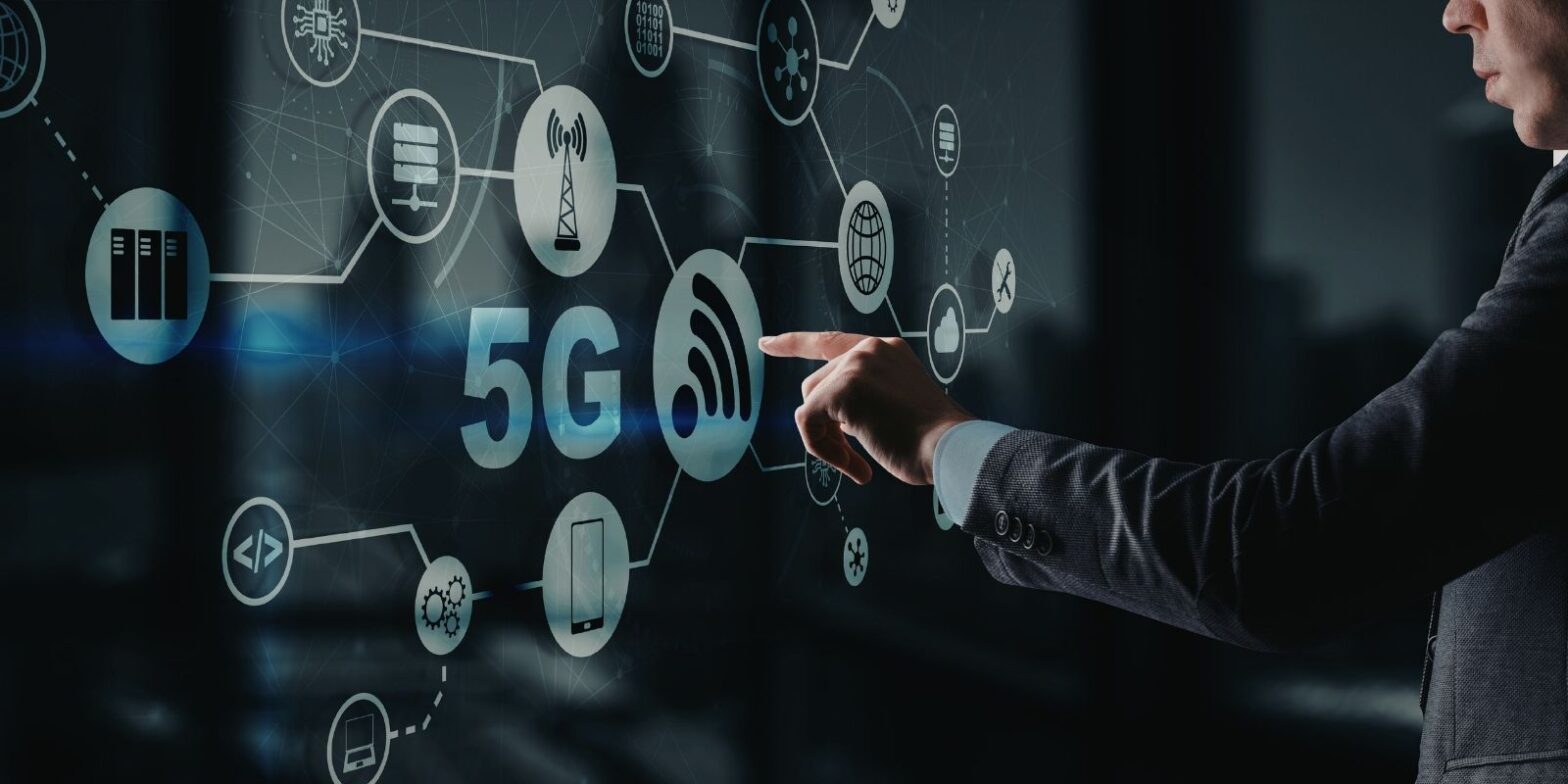
Apariția 5G reprezintă un reper semnificativ în lumea în continuă evoluție a comunicațiilor celulare. Ca succesor al 4G LTE, 5G promite viteze fără precedent, latență redusă și capacitatea de a conecta un număr vast de dispozitive simultan. Totuși, introducerea termenilor precum 5GE a dus la unele confuzii printre consumatori. Acest articol explorează complexitatea tehnologiei 5G, brandingul 5GE și implicațiile pentru conectivitate și capacitățile rețelei.
Înțelegerea Tehnologiei 5G și Brandingul 5GE
5G este tehnologia wireless de a cincea generație care își propune să revoluționeze modul în care ne conectăm și comunicăm. Oferă viteze ultra-rapide, cu rate de descărcare de până la 20 Gbps și viteze de încărcare de până la 10 Gbps. Latența redusă a 5G, sub un milisecund, o face ideală pentru aplicații în timp real, cum ar fi vehiculele autonome și realitatea augmentată. Tehnologia susține, de asemenea, o densitate masivă de dispozitive, capabilă să conecteze până la 1 milion de dispozitive pe kilometru pătrat, îmbunătățind semnificativ ecosistemul Internet of Things (IoT).
Între timp, 5GE sau 5G Evolution este un termen introdus de AT&T pentru a descrie o versiune îmbunătățită a rețelei lor 4G LTE. Aceasta încorporează tehnologii LTE-Advanced precum agregarea de transportatori, 4×4 MIMO și 256 QAM pentru a oferi viteze mai rapide decât LTE standard. Totuși, este crucial să înțelegem că 5GE nu este adevăratul 5G; mai degrabă, reprezintă un pas intermediar în evoluția rețelei, oferind performanțe îmbunătățite în timp ce infrastructura 5G este implementată.
Slicing de Rețea și Aplicații IoT
Una dintre caracteristicile transformatoare ale 5G este rețea slicing-ul. Acest lucru permite operatorilor să creeze rețele virtuale adaptate aplicațiilor sau industriilor specifice. De exemplu, un slice cu latență ultra-redusă poate fi dedicat vehiculelor autonome, în timp ce altul cu lățime de bandă mare ar putea susține serviciile de streaming. Această flexibilitate este crucială pentru industrii precum producția, unde comunicarea precisă, în timp real, este esențială.
IoT este setat să beneficieze enorm de pe urma 5G. Cu densitatea sa mare de dispozitive și conectivitatea îmbunătățită, 5G poate susține o gamă largă de aplicații IoT, de la orașe inteligente la automatizarea industrială. Precizia îmbunătățită a poziționării 5G, de 100 de ori mai bună decât 4G, îmbunătățește și mai mult aplicațiile IoT în domenii precum producția și transportul.
Arhitecturi NSA și SA 5G
Rețelele 5G pot fi implementate în două arhitecturi principale: non-standalone (NSA) și standalone (SA). NSA 5G valorifică infrastructura existentă 4G LTE, permițând o implementare mai rapidă și costuri reduse. Folosește rețeaua LTE pentru funcțiile de control, în timp ce rețeaua 5G gestionează traficul de date. Această abordare facilitează o tranziție mai lină la 5G prin utilizarea resurselor existente.
Pe de altă parte, SA 5G operează independent de rețelele LTE, oferind toate serviciile printr-un nucleu 5G dedicat. Această arhitectură deblochează întregul potențial al 5G, oferind capabilități avansate precum slicing de rețea și comunicații ultra-fiabile cu latență redusă. DISH a implementat 5G SA în SUA, demonstrând potențialul rețelelor standalone de a oferi servicii îmbunătățite.
Rate de Date, Latență Redusă și Evoluția Rețelei
Ratele de date oferite de 5G reprezintă un salt semnificativ înainte față de generațiile anterioare. Cu viteze de până la 20 Gbps, 5G permite streamingul fără întreruperi al conținutului de înaltă definiție și suportă aplicații care necesită transferuri mari de date. Latența redusă a 5G, un factor critic pentru comunicarea în timp real, deschide noi posibilități pentru aplicații precum chirurgia la distanță, jocurile interactive și platformele de streaming, cum ar fi spacemov.co, unde sensibilitatea la buffering și latența afectează direct calitatea redării.
Evoluția rețelelor celulare de la 4G LTE la 5G reprezintă o schimbare nu doar în viteză, ci și în natura conectivității. Capacitatea 5G de a susține o gamă largă de aplicații, de la IoT la orașe inteligente, marchează o nouă eră în tehnologia comunicațiilor. Pe măsură ce implementarea 5G continuă, impactul său asupra industriilor și vieții de zi cu zi va deveni din ce în ce mai evident.
Exemple de Implementare 5GE și 5G
Brandingul AT&T al LTE-A ca 5GE a stârnit dezbateri despre adevărata natură a 5G. Deși 5GE oferă performanțe îmbunătățite față de LTE standard, nu îndeplinește criteriile pentru 5G așa cum sunt definite de standardele industriei. Cu toate acestea, reprezintă un pas către implementarea completă a rețelelor 5G.
În contrast, implementarea de către DISH a 5G SA în SUA evidențiază capabilitățile rețelelor standalone. Prin construirea unui nucleu 5G dedicat, DISH poate oferi servicii avansate și susține o gamă largă de aplicații, de la broadband mobil îmbunătățit la IoT masiv.
Întrebări frecvente
Este 5G-E mai bun decât 5G?
Nu, 5G-E nu este mai bun decât 5G. 5G-E, sau 5G Evolution, este o versiune îmbunătățită a 4G LTE, oferind viteze mai rapide decât LTE standard, dar nu îndeplinește capacitățile complete ale adevăratului 5G.
Ce este mai bun, LTE sau 5GE?
5GE oferă performanțe îmbunătățite față de LTE standard prin încorporarea tehnologiilor LTE avansate. Totuși, nu este la fel de avansat ca adevăratul 5G.
Este 5GE de fapt adevăratul 5G?
Nu, 5GE nu este adevăratul 5G. Este un termen de marketing folosit de AT&T pentru a descrie o versiune îmbunătățită a rețelei lor LTE.
Ce înseamnă 5G pentru AT&T?
Pentru AT&T, 5G reprezintă următorul pas în evoluția rețelei, oferind conectivitate îmbunătățită, latență redusă și capacitatea de a susține o gamă largă de aplicații. Implementarea 5G va permite AT&T să ofere servicii avansate și să îmbunătățească experiențele clienților.
Gânduri finale
Tranziția de la 4G LTE la 5G marchează o schimbare semnificativă în peisajul comunicațiilor wireless. Deși termeni precum 5GE pot crea confuzie, înțelegerea diferențelor dintre aceste tehnologii este crucială. Capacitățile 5G în ceea ce privește viteza, latența și conectivitatea deschid noi posibilități pentru industrii și consumatori deopotrivă. Pe măsură ce implementarea 5G continuă, impactul său asupra economiei globale și vieții de zi cu zi va fi profund.

César Daniel Barreto este un apreciat scriitor și expert în securitate cibernetică, cunoscut pentru cunoștințe aprofundate și capacitatea de a simplifica subiecte complexe de securitate cibernetică. Cu o vastă experiență în securitatea și protecția securitate a rețelelor și protecția datelor, contribuie în mod regulat cu articole perspicace și analize privind cele mai recente tendințe în domeniul securității cibernetice, educând atât profesioniștii, cât și publicul.
 Romanian
  English
  German
  Danish
  Italian
  Swedish
  Thai
Thai  Vietnamese
  Japanese
  Dutch
Dutch  Korean
  Arabic
  Hungarian