Sự Phát Triển Của Công Nghệ Đã Ảnh Hưởng Tích Cực Đến Sức Khỏe Của Chúng Ta Như Thế Nào?
Ngày 19 Tháng 2, 2026 • César Daniel Barreto
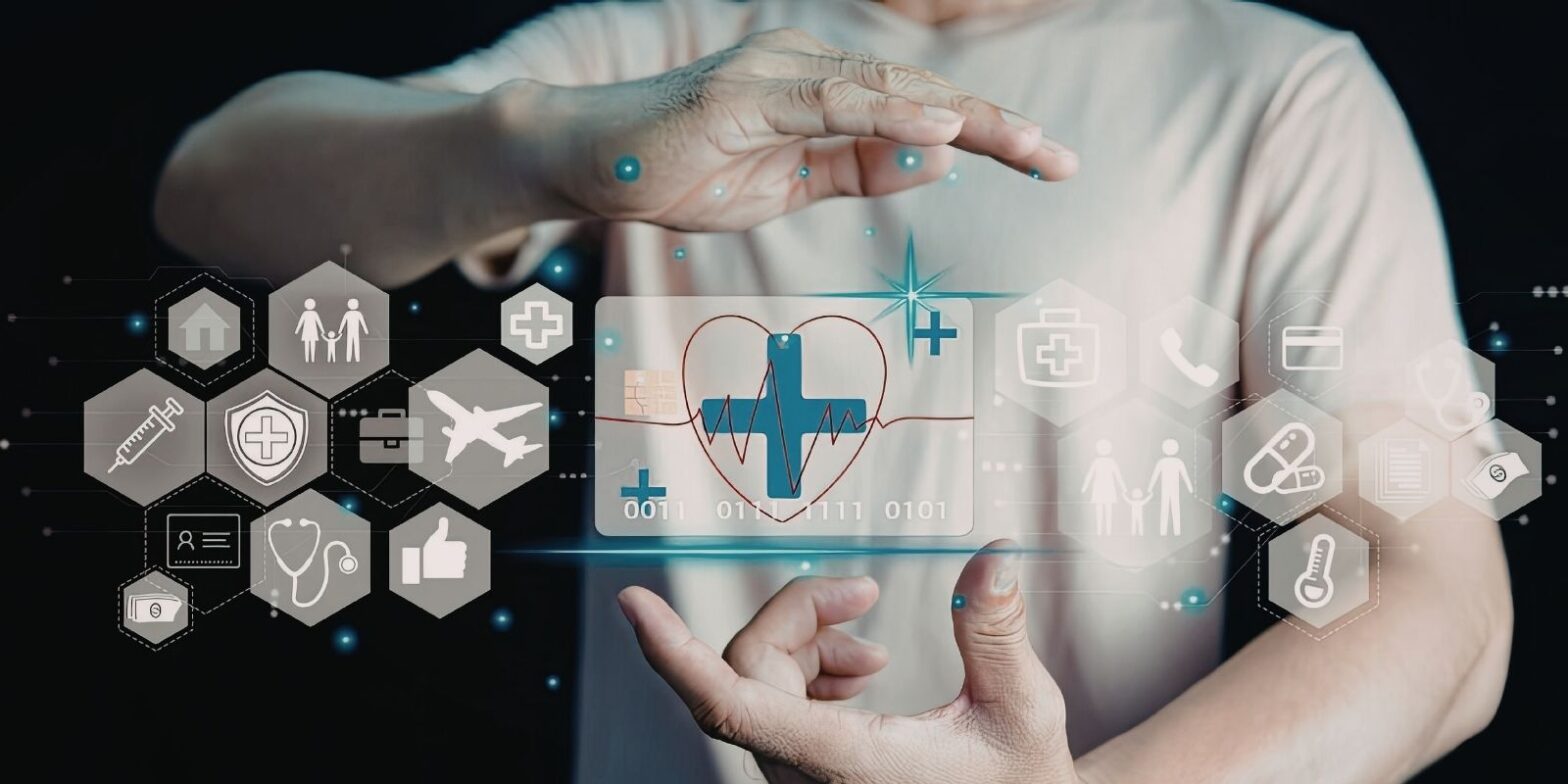
Sự phát triển của công nghệ đã thay đổi sức khỏe theo cách thực tế và có thể đo lường được. Quản lý sức khỏe không còn bị giới hạn trong các lần khám bác sĩ thỉnh thoảng hoặc điều trị dựa trên triệu chứng. Ngày nay, các cá nhân có thể theo dõi chất lượng giấc ngủ, nhịp tim, mức độ căng thẳng và các mô hình hoạt động theo thời gian thực.
Trung tâm của sự chuyển đổi này là một nguyên tắc đơn giản: khi dữ liệu sức khỏe trở nên dễ tiếp cận và chăm sóc trở nên dễ dàng hơn, mọi người chuyển từ bệnh nhân thụ động sang người ra quyết định tích cực. Công nghệ không thay thế các chuyên gia y tế, nhưng nó củng cố phòng ngừa, cải thiện khả năng tiếp cận và hỗ trợ cả sức khỏe thể chất và tinh thần.
Cải thiện khả năng tiếp cận chăm sóc sức khỏe thông qua y tế từ xa và chăm sóc ảo

Loại bỏ các rào cản truyền thống
Một trong những cách rõ ràng nhất mà công nghệ đã cải thiện sức khỏe là mở rộng khả năng tiếp cận chăm sóc sức khỏe. Y tế từ xa loại bỏ nhiều trở ngại trước đây làm trì hoãn chăm sóc, bao gồm:
- Thời gian di chuyển
- Thời gian chờ đợi lâu
- Xung đột lịch trình
- Hạn chế địa lý
Tư vấn ảo cho phép bệnh nhân tìm kiếm lời khuyên sớm hơn, giảm khả năng các vấn đề nhỏ leo thang thành các tình trạng nghiêm trọng.
Nơi chăm sóc ảo tạo ra sự khác biệt lớn nhất
Y tế từ xa đặc biệt có giá trị trong ba lĩnh vực:
- Theo dõi định kỳ – Bệnh nhân có khả năng tham dự các cuộc hẹn hơn khi không cần phải di chuyển.
- Quản lý bệnh mãn tính – Các tình trạng như tăng huyết áp, hen suyễn và tiểu đường được hưởng lợi từ việc theo dõi từ xa và kiểm tra thường xuyên.
- Hỗ trợ sức khỏe tinh thần – Các buổi trị liệu trực tuyến cải thiện khả năng tiếp cận cho những người thích tư vấn riêng tư tại nhà.
Ở cấp độ hệ thống, chăm sóc ảo cũng giảm tắc nghẽn trong các phòng khám, cho phép các cuộc thăm khám trực tiếp tập trung vào các trường hợp cần kiểm tra thể chất.
Giám sát sức khỏe theo thời gian thực với công nghệ đeo
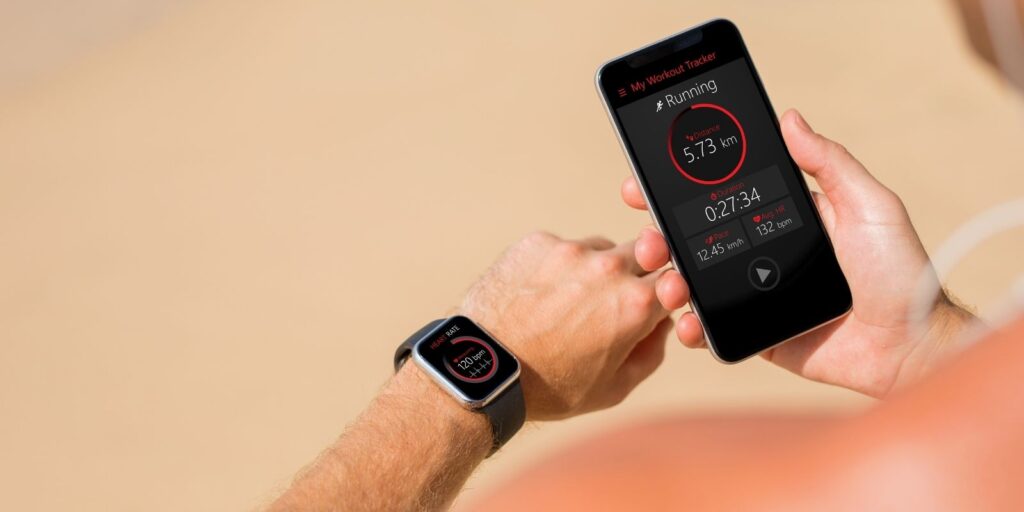
Dữ liệu liên tục thay vì ảnh chụp nhanh thỉnh thoảng
Thiết bị đeo như đồng hồ thông minh và thiết bị theo dõi thể dục đã làm cho việc giám sát sức khỏe trở nên liên tục thay vì theo từng đợt. Các công cụ này có thể theo dõi:
- Nhịp tim và biến thiên nhịp tim
- Mức oxy trong máu
- Chu kỳ giấc ngủ
- Hoạt động thể chất
- Trong một số trường hợp, đọc ECG
Thay vì chỉ dựa vào các lần kiểm tra hàng năm, các cá nhân hiện tạo ra thông tin chi tiết về sức khỏe hàng ngày.
Tại sao giám sát liên tục lại quan trọng
Giá trị nằm ở việc phát hiện mô hình. Một lần đọc bất thường có thể không đáng kể, nhưng sự bất thường liên tục có thể báo hiệu các vấn đề sức khỏe đang nổi lên. Cảnh báo sớm cho các vấn đề nhịp tim hoặc mức oxy bất thường có thể thúc đẩy đánh giá y tế sớm hơn.
Thiết bị đeo cũng ảnh hưởng đến hành vi. Nghiên cứu trong khoa học hành vi cho thấy phản hồi có thể đo lường cải thiện sự tuân thủ. Khi người dùng thấy tiến bộ trong số bước đi hoặc điểm số giấc ngủ được cải thiện, họ có nhiều khả năng duy trì thói quen lành mạnh.
Điều này biến sức khỏe thành một quá trình có thể theo dõi và điều chỉnh thay vì một mục tiêu trừu tượng.
AI và y học cá nhân hóa trong chăm sóc sức khỏe hiện đại
Diễn giải dữ liệu thông minh hơn
Trí tuệ nhân tạo nâng cao chăm sóc sức khỏe bằng cách phân tích các tập dữ liệu lớn, bao gồm hồ sơ di truyền, lịch sử y tế và các mô hình lối sống. Thay vì thay thế các bác sĩ lâm sàng, AI hỗ trợ ra quyết định tốt hơn.
Trong chẩn đoán, AI hỗ trợ trong việc diễn giải các bản quét hình ảnh và kết quả bệnh lý. Trong chăm sóc phòng ngừa, các mô hình dự đoán xác định các rủi ro cao cho bệnh tim mạch hoặc rối loạn chuyển hóa trước khi các triệu chứng xuất hiện.
Sự gia tăng của điều trị cá nhân hóa
Y học cá nhân hóa di chuyển khỏi các mô hình “bệnh nhân trung bình” tiêu chuẩn. Thay vào đó, các kế hoạch điều trị xem xét các dấu hiệu di truyền cá nhân và phản ứng sinh học. Cách tiếp cận này cải thiện độ chính xác và giảm tác dụng phụ.
Do đó, công nghệ đã chuyển đổi chăm sóc sức khỏe hướng tới các con đường chăm sóc cá nhân hóa hơn, tăng hiệu quả của các can thiệp.
Sức khỏe tinh thần và các nền tảng hỗ trợ kỹ thuật số
Hỗ trợ sức khỏe tinh thần cũng đã được định hình lại bởi công nghệ. Ứng dụng di động hiện cung cấp các bài tập trị liệu hành vi nhận thức có cấu trúc, các buổi hướng dẫn chánh niệm, công cụ theo dõi căng thẳng và hệ thống ghi chép tâm trạng.
Lợi ích là khả năng tiếp cận và tức thì. Các cá nhân có thể do dự tìm kiếm trị liệu trực tiếp có thể bắt đầu với hỗ trợ kỹ thuật số có hướng dẫn. Ngoài ra, các cộng đồng trực tuyến cung cấp kết nối đồng đẳng, mà nghiên cứu cho thấy có thể giảm cảm giác cô lập.
Các nền tảng nâng cao AI cá nhân hóa các khuyến nghị dựa trên hành vi của người dùng. Ví dụ, nếu phát hiện gián đoạn giấc ngủ hoặc dao động tâm trạng, hệ thống có thể đề xuất các bài tập đối phó cụ thể.
Mặc dù các công cụ kỹ thuật số không thay thế chăm sóc chuyên nghiệp cho các tình trạng nghiêm trọng, chúng mở rộng đáng kể các lựa chọn hỗ trợ sớm và bình thường hóa quản lý sức khỏe tinh thần chủ động.
Phát hiện sớm bệnh và đổi mới chăm sóc phòng ngừa
Chăm sóc phòng ngừa đại diện cho một trong những tác động tích cực mạnh mẽ nhất của công nghệ đối với sức khỏe. Các công cụ phát hiện sớm cho phép can thiệp trước khi bệnh tiến triển.
Ví dụ bao gồm:
- Máy theo dõi glucose liên tục cải thiện quản lý tiểu đường.
- Hình ảnh hỗ trợ AI phát hiện ung thư giai đoạn đầu.
- Giám sát tim từ xa xác định loạn nhịp.
- Phân tích dự đoán nhận ra các xu hướng sức khỏe ở cấp độ dân số.
Phát hiện sớm cải thiện tỷ lệ sống sót, giảm cường độ điều trị và giảm chi phí chăm sóc sức khỏe dài hạn.
Phòng ngừa không còn phụ thuộc chỉ vào các lần kiểm tra định kỳ. Giám sát liên tục và phân tích thông minh hỗ trợ đánh giá rủi ro liên tục.
Cách công nghệ củng cố sức khỏe
| Khu vực công nghệ | Lợi ích chính | Tác động ví dụ |
|---|---|---|
| Y tế từ xa | Cải thiện khả năng tiếp cận chăm sóc | Tư vấn nhanh hơn và tuân thủ điều trị tốt hơn |
| Thiết bị đeo | Giám sát liên tục | Phát hiện sớm nhịp tim không đều |
| Trí tuệ nhân tạo | Chẩn đoán nâng cao | Cải thiện diễn giải hình ảnh và dự đoán rủi ro |
| Y học cá nhân hóa | Điều trị tùy chỉnh | Giảm tác dụng phụ và liệu pháp hiệu quả hơn |
| Ứng dụng sức khỏe tinh thần | Tăng khả năng tiếp cận | Công cụ hỗ trợ căng thẳng và tâm trạng tức thì |
| Giám sát từ xa | Chăm sóc phòng ngừa | Theo dõi glucose và tim theo thời gian thực |
Tích hợp lối sống và sự gia tăng của các công cụ sức khỏe kỹ thuật số hàng ngày
Công nghệ không chỉ cải thiện kết quả lâm sàng; nó cũng đã định hình lại cách sức khỏe phù hợp với thói quen hàng ngày. Việc áp dụng rộng rãi các thiết bị đeo đã làm cho việc theo dõi sức khỏe trở thành một phần của cuộc sống thường ngày thay vì một hoạt động chuyên biệt. Từ việc đếm bước đi trong các chuyến đi làm đến việc theo dõi chất lượng giấc ngủ qua đêm, các thiết bị đeo hiện hoạt động âm thầm trong nền, thu thập dữ liệu mà không làm gián đoạn thói quen.
Sự thay đổi này phản ánh những thay đổi rộng hơn trong kỳ vọng của người tiêu dùng. Mọi người ngày càng mong đợi các dịch vụ sức khỏe phản ánh khả năng sử dụng của các nền tảng kỹ thuật số khác: giao diện trực quan, phản hồi tức thì và truy cập liền mạch. Do đó, hệ sinh thái sức khỏe kỹ thuật số rộng hơn đã mở rộng để đáp ứng những yêu cầu này.
Một trong những ví dụ rõ ràng nhất là sự phát triển của các ứng dụng thể dục, cho phép người dùng theo dõi các bài tập, dinh dưỡng, hydrat hóa và tiến trình hướng tới các mục tiêu cá nhân. Nhiều ứng dụng thể dục tích hợp trực tiếp với đồng hồ thông minh và các hệ thống theo dõi khác, tạo ra trải nghiệm kết nối đơn giản hóa việc tự giám sát. Sự nhấn mạnh không chỉ là về hiệu suất mà còn về khả năng sử dụng và tiện lợi, cho phép các cá nhân quản lý sức khỏe của họ mà không cần thiết bị phức tạp hoặc các chuyến thăm phòng khám.
Sự nhấn mạnh này vào tiện lợi đã định nghĩa lại cách các công cụ sức khỏe được áp dụng. Khi công nghệ giảm ma sát, sự tham gia tăng lên. Quản lý sức khỏe trở nên ít về sự gián đoạn và nhiều hơn về tích hợp vào cuộc sống hàng ngày.
Các mô hình chăm sóc đang phát triển và sự phát triển của thị trường công nghệ sức khỏe
Ngoài việc theo dõi cá nhân, các mô hình cung cấp chăm sóc cũng đã phát triển. Việc bình thường hóa các cuộc hẹn ảo đã mở rộng khả năng tiếp cận chăm sóc sức khỏe vào nhà và nơi làm việc. Thay vì sắp xếp theo giờ phòng khám, các cá nhân có thể sắp xếp các cuộc hẹn ảo phù hợp với trách nhiệm hàng ngày, giảm sự chậm trễ trong chăm sóc.
Đồng thời, các hệ thống giám sát từ xa cho phép các bác sĩ lâm sàng xem xét dữ liệu bệnh nhân giữa các lần thăm khám thay vì chỉ dựa vào các ảnh chụp nhanh riêng lẻ. Sự giám sát liên tục này hỗ trợ chăm sóc phòng ngừa mà không làm tăng lưu lượng truy cập phòng khám vật lý.
Các nền tảng kỹ thuật số cũng đã củng cố sự tham gia của đồng đẳng. Thông qua các cộng đồng trực tuyến được điều tiết, các cá nhân quản lý các mục tiêu sức khỏe hoặc điều kiện tương tự có thể trao đổi lời khuyên thực tế và khuyến khích. Các mạng lưới này đóng góp vào trách nhiệm và hỗ trợ cảm xúc trong khi vẫn có thể truy cập bất cứ lúc nào.
Bối cảnh ngành rộng hơn phản ánh sự mở rộng này. Sự tăng trưởng thị trường bền vững trong công nghệ sức khỏe đã khuyến khích sự đổi mới từ cả các công ty đã thành lập và các công ty khởi nghiệp mới nổi. Các công ty mới thường tập trung vào các ngách chuyên biệt, chẳng hạn như tối ưu hóa giấc ngủ, theo dõi chuyển hóa hoặc huấn luyện thói quen dựa trên AI, đa dạng hóa thêm các công cụ có sẵn.
Cùng nhau, những phát triển này minh họa cách công nghệ đã định hình lại không chỉ các hệ thống y tế mà còn cả thói quen lối sống và các mô hình dịch vụ. Sức khỏe không còn bị giới hạn trong các cuộc hẹn và đơn thuốc. Nó ngày càng được nhúng trong các tương tác kỹ thuật số hàng ngày, thường chiếm các phần nhỏ nhưng nhất quán của thời gian trong suốt cả ngày.
Thách thức của công nghệ trong sức khỏe và cách giải quyết chúng
Mặc dù có những lợi ích rõ ràng, sức khỏe do công nghệ điều khiển vẫn có những thách thức.
Quyền riêng tư và bảo mật dữ liệu
Dữ liệu sức khỏe rất nhạy cảm. Mã hóa mạnh mẽ, tuân thủ quy định và các chính sách bảo mật minh bạch là cần thiết để bảo vệ người dùng., Kiến thức sức khỏe kỹ thuật số.
Truy cập vào các công cụ không đảm bảo diễn giải đúng. Các cá nhân có thể đọc sai dữ liệu hoặc trải qua lo lắng không cần thiết. Giáo dục và hướng dẫn chuyên nghiệp phải đi kèm với các công cụ kỹ thuật số.
Tích hợp và khả năng tương tác.
Các hệ thống chăm sóc sức khỏe thường gặp khó khăn trong việc tích hợp dữ liệu do người tiêu dùng tạo ra vào hồ sơ y tế truyền thống. Khả năng tương tác liền mạch vẫn là một công việc đang tiến hành.
Giải quyết những vấn đề này đảm bảo rằng công nghệ nâng cao sức khỏe một cách có trách nhiệm thay vì tạo ra các rủi ro không mong muốn.
Công nghệ đã phát triển như thế nào ảnh hưởng tích cực đến sức khỏe của chúng ta?.
Câu Hỏi Thường Gặp
Công nghệ đã cải thiện sức khỏe bằng cách mở rộng khả năng tiếp cận chăm sóc sức khỏe, cho phép giám sát sức khỏe theo thời gian thực, hỗ trợ sức khỏe tinh thần, cá nhân hóa điều trị và cải thiện phát hiện sớm bệnh.
Công nghệ ảnh hưởng đến sức khỏe tổng thể như thế nào?.
Nó chuyển đổi chăm sóc sức khỏe từ điều trị phản ứng sang quản lý chủ động, trao quyền cho các cá nhân với thông tin chi tiết dựa trên dữ liệu và các công cụ giám sát liên tục.
Lợi ích lớn nhất của công nghệ trong sức khỏe là gì?.
Sự kết hợp giữa khả năng tiếp cận và phòng ngừa. Phát hiện sớm và chăm sóc từ xa cải thiện đáng kể kết quả trong khi giảm căng thẳng hệ thống.
Sự phát triển của công nghệ đã biến đổi sức khỏe từ chăm sóc theo từng đợt thành một hệ sinh thái tích hợp, thông tin dữ liệu. Y tế từ xa cải thiện khả năng tiếp cận. Thiết bị đeo cung cấp phản hồi liên tục. AI nâng cao độ chính xác chẩn đoán. Các nền tảng kỹ thuật số mở rộng hỗ trợ sức khỏe tinh thần.
Suy nghĩ cuối cùng
Mặc dù vẫn còn những thách thức trong quyền riêng tư, kiến thức và tích hợp hệ thống, hướng đi tổng thể là rõ ràng. Công nghệ đã ảnh hưởng tích cực đến sức khỏe của chúng ta bằng cách trao quyền cho các cá nhân, củng cố phòng ngừa và hiện đại hóa việc cung cấp chăm sóc sức khỏe.
Khi đổi mới tiếp tục, sự tích hợp giữa cuộc sống hàng ngày và các hệ thống sức khỏe kỹ thuật số có khả năng sâu sắc hơn, củng cố thêm vai trò của công nghệ như một động lực nền tảng của sức khỏe hiện đại.
.
César Daniel Barreto là một nhà văn và chuyên gia an ninh mạng được kính trọng, nổi tiếng với kiến thức sâu rộng và khả năng đơn giản hóa các chủ đề an ninh mạng phức tạp. Với kinh nghiệm sâu rộng về bảo mật mạng và bảo vệ dữ liệu, ông thường xuyên đóng góp các bài viết và phân tích sâu sắc về các xu hướng an ninh mạng mới nhất, giáo dục cả chuyên gia và công chúng.
 Vietnamese
  English
  German
  Danish
  Italian
  Swedish
  Romanian
  Thai
Thai  Japanese
  Dutch
Dutch  Korean
  Arabic
  Hungarian