Giải Thích Metagaming: Chiến Lược, Chiến Thuật Cạnh Tranh, và Sự Phát Triển của Meta Trò Chơi
Ngày 13 tháng 2, 2026 • César Daniel Barreto
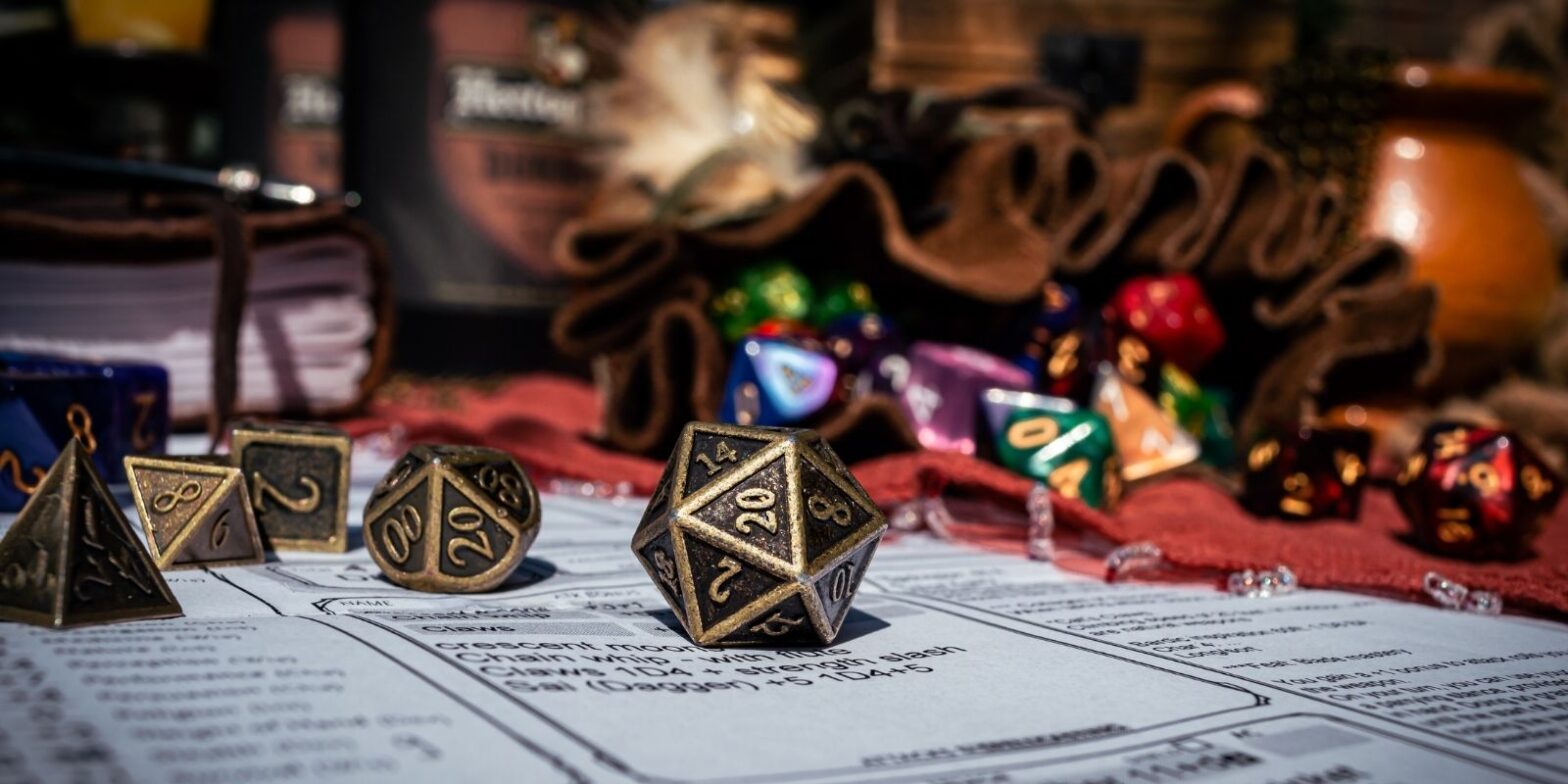
Metagaming, theo nghĩa đen là “trò chơi vượt ra ngoài trò chơi”, là một trong những khái niệm quan trọng nhất trong trò chơi hiện đại. Cho dù bạn đang leo thang xếp hạng trong Liên Minh Huyền Thoại, xây dựng một bộ bài thi đấu trong Ma thuật: Cuộc hội ngộ, hay điều hướng một phiên RPG trên bàn, việc hiểu metagame định hình cách bạn chơi, những gì bạn chọn và liệu bạn có thắng hay không.
Nhưng metagaming không phải là một ý tưởng đơn lẻ. Nó bao gồm tối ưu hóa cạnh tranh, chiến tranh tâm lý, sự phát triển chiến lược do cộng đồng thúc đẩy, và thậm chí cả lãnh thổ gây tranh cãi trong trò chơi nhập vai. Hướng dẫn này phân tích ý nghĩa thực sự của metagaming trong các bối cảnh trò chơi khác nhau, tại sao nó quan trọng và cách sử dụng nó để có lợi cho bạn.
Metagaming là gì? Một định nghĩa rõ ràng
Metagaming đề cập đến việc sử dụng kiến thức, chiến lược hoặc quyết định vượt ra ngoài các quy tắc và cơ chế ngay lập tức của trò chơi. Tiền tố “meta” xuất phát từ tiếng Hy Lạp, có nghĩa là “vượt ra ngoài” hoặc “về”, vì vậy metagaming, theo nghĩa đen, là chơi trò chơi về trò chơi.
Thuật ngữ này có hai ý nghĩa chính tùy thuộc vào ngữ cảnh:
Metagame (hoặc “meta”) mô tả các chiến lược thống trị, lựa chọn nhân vật, thành phần bộ bài hoặc chiến thuật được coi là tối ưu tại một thời điểm nhất định. Khi ai đó nói “Jinx đang là meta hiện tại”, họ có nghĩa là Jinx là một trong những tướng mạnh nhất, được chọn nhiều nhất trong bối cảnh cạnh tranh hiện tại.
Metagaming như một hành vi đề cập đến việc sử dụng thông tin ngoài trò chơi, dữ liệu đối thủ trong quá khứ, thảo luận cộng đồng, ghi chú bản vá hoặc kiến thức thực tế để thông báo quyết định trong trò chơi. Một người chơi Ngục tối & Rồng khai thác điểm yếu của quái vật mà họ đã đọc trực tuyến, mặc dù nhân vật của họ chưa bao giờ gặp quái vật đó, đang metagaming.
Cả hai ý nghĩa đều được sử dụng rộng rãi, và hiểu rõ ý nghĩa nào áp dụng trong một cuộc trò chuyện nhất định là điều cần thiết để điều hướng diễn ngôn trò chơi.
Cách Metagaming hoạt động trong trò chơi cạnh tranh
Trò chơi cạnh tranh là nơi metagaming đạt đến mức cao nhất. Trong esports, chơi xếp hạng và các vòng đấu giải, meta không chỉ là kiến thức nền tảng, nó là nền tảng mà mọi người chơi nghiêm túc xây dựng.
Đọc và phản ứng với Meta
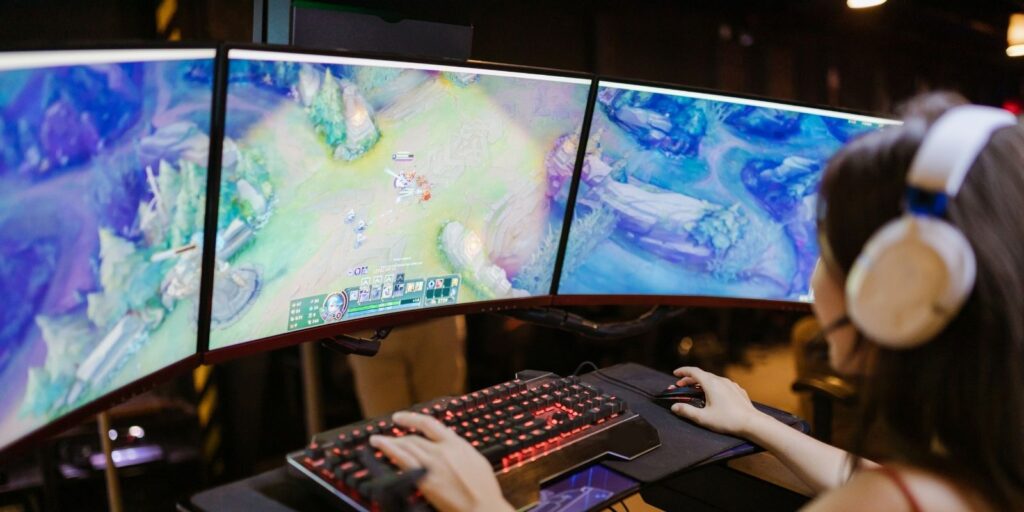
Ở cấp độ cạnh tranh, người chơi và đội đầu tư rất nhiều vào việc hiểu meta hiện tại. Điều này bao gồm việc nghiên cứu ghi chú bản vá và thay đổi cân bằng, phân tích phát lại trận đấu và dữ liệu tỷ lệ thắng, theo dõi những gì người chơi và đội hàng đầu đang chọn, và xác định chiến lược nào chống lại các phương pháp phổ biến nhất.
Trong các trò chơi như Dota 2 hoặc Liên Minh Huyền Thoại, meta có thể thay đổi đáng kể chỉ với một bản vá. Một tướng thống trị tháng trước có thể không còn khả thi sau một đợt giảm sức mạnh, buộc người chơi phải điều chỉnh danh sách tướng và thành phần đội của họ qua đêm. Những người chơi cạnh tranh giỏi nhất không chỉ có kỹ năng cơ học, họ là những người đọc được sự thay đổi meta sớm và điều chỉnh trước khi đối thủ của họ làm.
Chiến lược Off-Meta
Một trong những khía cạnh thú vị nhất của metagaming cạnh tranh là việc sử dụng có chủ ý các chiến lược off-meta. Khi meta thống trị trở nên dễ đoán, người chơi có kỹ năng có thể khai thác sự dự đoán đó bằng cách chọn các lựa chọn hoặc chiến thuật không chính thống mà đối thủ của họ chưa chuẩn bị.
Đây là một rủi ro được tính toán. Chiến lược off-meta hy sinh độ tin cậy đã được chứng minh của các lựa chọn meta để lấy yếu tố bất ngờ. Khi chúng hoạt động, chúng có thể xác định toàn bộ các cuộc chạy đua giải đấu, hãy nghĩ đến các lựa chọn tướng bất ngờ trong các trận chung kết Worlds hoặc các kiểu bộ bài lừa đảo xé toạc một giải đấu trò chơi bài. Khi chúng thất bại, chúng trông giống như những thử nghiệm liều lĩnh.
Sự căng thẳng giữa việc chơi meta và phá vỡ nó là điều giữ cho trò chơi cạnh tranh luôn động. Một meta mà không ai thách thức trở nên nhàm chán; một meta liên tục bị gián đoạn không bao giờ ổn định đủ để chơi chiến lược sâu sắc.
Lớp Tâm lý
Metagaming trong môi trường cạnh tranh không chỉ là phân tích. Nó có một chiều tâm lý mạnh mẽ. Người chơi nghiên cứu xu hướng, chiến lược ưa thích và mô hình lịch sử của đối thủ cụ thể của họ. Biết rằng một đối thủ cụ thể luôn mở đầu một cách mạnh mẽ, hoặc có xu hướng chơi bảo thủ trong các tình huống áp lực cao, cho phép bạn đưa ra dự đoán và đặt bẫy.
Trong các trò chơi như StarCraft, nơi người chơi có thể đối mặt với cùng một đối thủ nhiều lần, kiến thức này trở thành một tài sản chiến lược thực sự. Một người chơi có thể chọn một thứ tự xây dựng không tối ưu chỉ vì họ biết đối thủ của họ mong đợi điều gì khác. Trò chơi “về trò chơi” này thêm các lớp sâu sắc mà kỹ năng cơ học thuần túy không thể giải quyết.
Metagaming trong Trò chơi Thẻ Giao dịch

Trò chơi thẻ giao dịch (TCG) như Ma thuật: Cuộc hội ngộ, Yu-Gi-Oh!, Và Pokémon TCG cung cấp một trong những biểu hiện thuần túy nhất của metagaming. Toàn bộ quá trình xây dựng bộ bài về cơ bản là một bài tập metagame.
Xây dựng Bộ bài như Phân tích Meta
Trong TCG, metagame quyết định bộ bài, thẻ và kiểu nào được coi là cạnh tranh. Người chơi xây dựng bộ bài của họ không phải trong sự cô lập, mà là để đáp ứng trực tiếp với những gì họ mong đợi sẽ đối mặt trong một giải đấu. Điều này bao gồm một số quyết định liên quan: chọn một kiểu bộ bài hoạt động tốt chống lại các chiến lược phổ biến nhất, bao gồm “thẻ công nghệ”, các thẻ cụ thể được chọn để chống lại các mối đe dọa phổ biến, điều chỉnh tỷ lệ và tùy chọn bên dựa trên những gì meta địa phương hoặc trực tuyến trông như thế nào, và quyết định liệu có nên chơi bộ bài tốt nhất trong định dạng hay một bộ bài ít phổ biến hơn mà chống lại nó.
Kết quả là một hệ sinh thái liên tục thay đổi. Khi một loại bộ bài trở nên thống trị, các bộ bài đối kháng tăng lên về độ phổ biến, điều này sau đó tạo ra các cơ hội cho các chiến lược khác đánh bại những đối kháng đó. Mô hình tuần hoàn này, thường được so sánh với động lực “kéo-búa-bao” trên quy mô lớn, là nhịp đập của metagaming TCG.
Cộng đồng và Chu kỳ Meta
Metagame TCG bị ảnh hưởng nặng nề bởi kiến thức cộng đồng. Kết quả giải đấu được công bố trực tuyến, danh sách bộ bài được chia sẻ trên diễn đàn và mạng xã hội, và những người tạo nội dung phân tích điểm mạnh và điểm yếu của các chiến lược phổ biến. Sự minh bạch này tăng tốc chu kỳ meta, một bộ bài mạnh mới có thể thống trị trong một tuần trước khi cộng đồng cùng nhau tìm ra cách đánh bại nó.
Thị trường thẻ thứ cấp phản ánh những thay đổi này trong thời gian thực. Các thẻ trở thành trung tâm của một chiến lược thống trị tăng giá, trong khi các thẻ không còn được ưa chuộng mất giá trị. Đối với những người chơi TCG nghiêm túc, đọc meta không chỉ là một kỹ năng chơi game, mà còn là một kỹ năng tài chính.
Metagaming trong Trò chơi Nhập vai: Vấn đề Đắm chìm
Trong các trò chơi nhập vai trên bàn như Ngục tối & Rồng, Người tìm đường, hoặc môi trường RP trực tuyến như GTA RP, metagaming mang một ý nghĩa tiêu cực rõ rệt. Ở đây, metagaming thường có nghĩa là sử dụng kiến thức của người chơi mà nhân vật của bạn sẽ không có để ảnh hưởng đến quyết định trong nhân vật.
Ví dụ phổ biến của Metagaming RPG
Các kịch bản cổ điển quen thuộc với hầu hết người chơi trên bàn. Một người chơi gặp một con quái vật không quen thuộc nhưng ngay lập tức khai thác điểm yếu của nó vì họ đã đọc Sách Quái vật. Một nhân vật tránh một cái bẫy mà người chơi đã nghe thấy DM đề cập trong giờ nghỉ. Trong GTA RP, một người chơi sử dụng thông tin từ kênh Discord hoặc luồng để định vị nhân vật của người chơi khác trong trò chơi.
Những hành động này phá vỡ hợp đồng cơ bản của nhập vai: rằng người chơi hành động thông qua nhân vật của họ, bị ràng buộc bởi những gì những nhân vật đó biết, tin tưởng và sẽ làm. Khi một người chơi rút ngắn điều này bằng cách nhập kiến thức bên ngoài, nó làm suy yếu căng thẳng tường thuật và công bằng.
Quản lý Metagaming trên Bàn
Các Dungeon Master và quản trị viên trò chơi có kinh nghiệm sử dụng một số cách tiếp cận để quản lý metagaming. Họ sửa đổi các khối thống kê và các cuộc gặp gỡ để thông tin đã xuất bản không áp dụng trực tiếp. Họ thiết lập các quy tắc bàn rõ ràng về những gì cấu thành metagaming và hậu quả là gì. Họ thưởng cho những người chơi đưa ra quyết định không tối ưu nhưng trong nhân vật, củng cố giá trị của sự đắm chìm.
Điều đó nói rằng, không phải tất cả metagaming trong RPG đều có hại. Một người chơi giúp một thành viên mới của nhóm tham gia vào câu chuyện, ngay cả khi nhân vật cộc cằn của họ sẽ không tự nhiên làm như vậy, về mặt kỹ thuật là metagaming, nhưng đó là metagaming phục vụ cho trải nghiệm tốt hơn cho mọi người. Ranh giới giữa metagaming gây rối và kể chuyện hợp tác thường là vấn đề của ý định và văn hóa bàn.
Vai trò của Nhà thiết kế Trò chơi trong việc Định hình Meta

Nhà thiết kế trò chơi không chỉ tạo ra trò chơi, họ tạo ra metagame. Mỗi quyết định cân bằng, thiết kế nhân vật và cập nhật hệ thống định hình những chiến lược mà người chơi khám phá và cách meta phát triển.
Cân bằng Meta
Thách thức trung tâm đối với các nhà thiết kế là duy trì một meta cảm thấy đa dạng và năng động. Nếu một chiến lược áp đảo, trò chơi trở nên nhàm chán và bực bội. Nếu mọi thứ đều hoàn hảo cân bằng (một lý tưởng không thể đạt được), lựa chọn chiến lược cảm thấy vô nghĩa. Điểm ngọt ngào là một meta nơi nhiều chiến lược khả thi tồn tại, mỗi chiến lược có điểm mạnh và sự đánh đổi riêng biệt.
Các nhà thiết kế đạt được điều này thông qua các bản vá cân bằng thường xuyên điều chỉnh khả năng nhân vật, chỉ số vật phẩm hoặc tương tác quy tắc; giới thiệu nội dung mới (nhân vật, thẻ, bản đồ) tạo ra các khả năng chiến lược mới; giám sát dữ liệu cộng đồng, tỷ lệ thắng, tỷ lệ chọn, phản hồi của người chơi, để xác định vấn đề; và thiết lập lại theo mùa hoặc xoay vòng định dạng làm mới định kỳ bối cảnh cạnh tranh.
Chu kỳ Bản vá và Sự phát triển Chiến lược
Trong các trò chơi dịch vụ trực tiếp, mối quan hệ giữa nhà phát triển và meta là liên tục. Một chu kỳ điển hình trông như thế này: một bản vá được phát hành, cộng đồng thử nghiệm, một meta kết tinh khi các chiến lược tối ưu được xác định, cộng đồng thích ứng và các chiến lược đối kháng xuất hiện, và cuối cùng một bản vá mới đến và đặt lại chu kỳ.
Quá trình lặp đi lặp lại này có nghĩa là kiến thức metagaming có ngày hết hạn. Những người chơi phát triển mạnh là những người có thể học và quên nhanh chóng, điều chỉnh chiến lược của họ khi trò chơi phát triển bên dưới họ.
Phân tích Meta: Cách Người chơi Nghiên cứu Trò chơi
Phân tích meta là quá trình có hệ thống nghiên cứu metagame để tối ưu hóa hiệu suất. Mặc dù nó xảy ra ở mọi cấp độ kỹ năng, độ sâu và độ nghiêm ngặt khác nhau đáng kể.
Công cụ của Phân tích Meta
Những người chơi nghiêm túc sử dụng nhiều tài nguyên để cập nhật thông tin. Thống kê trận đấu và cơ sở dữ liệu tỷ lệ thắng theo dõi những gì đang hoạt động tốt. Đánh giá VOD và phân tích phát lại cho phép người chơi nghiên cứu trò chơi cấp cao và xác định các mẫu. Thảo luận cộng đồng trên các nền tảng như Reddit, Discord và các diễn đàn chuyên dụng cung cấp cái nhìn sâu sắc định tính về lý do tại sao một số chiến lược hoạt động. Danh sách cấp và phân tích của người tạo nội dung cung cấp ý kiến tổng hợp về thứ bậc meta hiện tại.
Mục tiêu không chỉ là biết điều gì mạnh, mà là hiểu tại sao nó mạnh và khả năng nó duy trì như vậy. Một chiến lược trông có vẻ thống trị có thể là một đỉnh tạm thời được thúc đẩy bởi một vài chiến thắng nổi bật, hoặc nó có thể đại diện cho một sự thay đổi thực sự trong động lực quyền lực của trò chơi.
Phân tích Meta cho Người chơi Bình thường
Bạn không cần phải là một người chơi cạnh tranh để hưởng lợi từ nhận thức meta. Hiểu meta giúp người chơi bình thường theo một số cách thực tế. Biết nhân vật hoặc chiến lược nào hiện đang mạnh giúp bạn đưa ra lựa chọn sáng suốt khi bắt đầu một trò chơi mới. Hiểu lý do tại sao một chiến lược hoạt động cải thiện ý thức trò chơi tổng thể của bạn, ngay cả khi bạn chọn không theo meta. Nhận ra các mẫu meta giúp bạn dự đoán đối thủ sẽ làm gì, ngay cả trong các trận đấu không xếp hạng hoặc bình thường.
Sự khác biệt chính là ưu tiên. Người chơi cạnh tranh tối ưu hóa cho tỷ lệ thắng; người chơi bình thường tối ưu hóa cho sự thích thú. Cả hai đều hưởng lợi từ việc hiểu metagame, nhưng họ áp dụng kiến thức đó khác nhau.
Metagaming so với Trò chơi Truyền thống
| Khía Cạnh | Siêu trò chơi | Trò chơi Truyền thống |
|---|---|---|
| Nguồn chiến lược | Kiến thức bên ngoài, xu hướng cộng đồng, phân tích đối thủ | Cơ chế và quy tắc trong trò chơi như được trình bày |
| Khả năng thích ứng | Liên tục phát triển với các bản vá và sự thay đổi meta | Tập trung vào việc làm chủ một tập hợp cơ chế ổn định |
| Vai trò của cộng đồng | Trung tâm: kiến thức chia sẻ thúc đẩy meta | Bổ sung: kỹ năng cá nhân là chính |
| Đổi mới | Được thưởng: chiến lược mới có thể phá vỡ meta | Gia tăng: tinh chỉnh các phương pháp đã biết |
| Ảnh hưởng của nhập vai | Có thể tạo ra căng thẳng giữa chiến lược và sự đắm chìm | Ưu tiên sự đắm chìm của nhân vật và tường thuật |
Trên thực tế, hầu hết các trải nghiệm chơi game đều kết hợp cả hai cách tiếp cận. Ngay cả người chơi cạnh tranh tập trung vào meta nhất cũng dựa vào kỹ năng cơ học cốt lõi, và ngay cả người chơi RPG tập trung vào sự đắm chìm nhất cũng đưa ra một số quyết định được thông báo bởi kiến thức ngoài nhân vật.
Gian lận so với Metagaming: Đâu là Ranh giới?
Metagaming đôi khi bị nhầm lẫn với gian lận, nhưng chúng hoàn toàn khác nhau. Metagaming sử dụng kiến thức bên ngoài hợp pháp, ghi chú bản vá, dữ liệu cộng đồng, nghiên cứu đối thủ, để thông báo quyết định trong các quy tắc của trò chơi. Gian lận sử dụng công cụ hoặc khai thác trái phép, aimbots, wallhacks, thao tác dữ liệu, để đạt được lợi thế mà trò chơi không dự định.
Sự nhầm lẫn nảy sinh trong các khu vực xám. Xem luồng của đối thủ trong một trận đấu (“stream sniping”) là metagaming hay gian lận? Sử dụng một lớp phủ của bên thứ ba hiển thị thống kê thời gian thực là phân tích meta hợp pháp hay lợi thế không công bằng? Những câu hỏi này không có câu trả lời phổ quát, chúng phụ thuộc vào các quy tắc cụ thể của trò chơi, quy định của định dạng cạnh tranh và chuẩn mực của cộng đồng.
Điều rõ ràng là gian lận làm suy yếu tính toàn vẹn của chính metagame. Phân tích meta phụ thuộc vào dữ liệu đáng tin cậy; nếu gian lận làm sai lệch kết quả trận đấu, dữ liệu được sử dụng cho phân tích meta trở nên không đáng tin cậy, và toàn bộ hệ sinh thái chiến lược bị ảnh hưởng.
Câu Hỏi Thường Gặp
Metagaming có nghĩa là gì?
Metagaming có nghĩa là sử dụng kiến thức, chiến lược hoặc thông tin vượt ra ngoài các quy tắc và cơ chế cốt lõi của trò chơi. Nó có thể đề cập đến các chiến lược thống trị trong một trò chơi cạnh tranh (meta) hoặc hành động áp dụng kiến thức bên ngoài để đạt được lợi thế trong trò chơi.
Metagaming trong GTA RP là gì?
Trong GTA RP, metagaming là sử dụng thông tin ngoài nhân vật, chẳng hạn như chi tiết từ Discord, luồng hoặc cuộc trò chuyện của người chơi khác, để ảnh hưởng đến hành động trong trò chơi của nhân vật của bạn. Hầu hết các máy chủ GTA RP đều cấm điều này vì nó phá vỡ sự đắm chìm và tạo ra lợi thế không công bằng.
Một số ví dụ phổ biến về metagaming là gì?
Chọn một nhân vật đối kháng trong một trò chơi chiến đấu vì bạn biết nhân vật chính của đối thủ. Xây dựng một bộ bài TCG được thiết kế để đánh bại kiểu phổ biến nhất. Một người chơi D&D sử dụng kiến thức từ Sách Quái vật để khai thác điểm yếu của sinh vật. Nghiên cứu VOD của đối thủ để dự đoán chiến lược của họ trong một trận đấu esports.
Metagaming có được coi là gian lận không?
Không. Metagaming sử dụng kiến thức bên ngoài hợp pháp trong các quy tắc của trò chơi, trong khi gian lận liên quan đến các phương pháp trái phép như hack hoặc khai thác. Tuy nhiên, trong bối cảnh nhập vai, metagaming thường bị ngăn cản vì nó phá vỡ sự đắm chìm và tính toàn vẹn của câu chuyện.
Cập nhật trò chơi ảnh hưởng đến meta như thế nào?
Các bản vá cân bằng, nội dung mới và thay đổi quy tắc có thể thay đổi meta đáng kể. Một đợt giảm sức mạnh nhân vật có thể loại bỏ một chiến lược thống trị qua đêm, trong khi một thẻ hoặc vật phẩm mới có thể tạo ra các kiểu hoàn toàn mới. Người chơi thành công thích ứng nhanh chóng với những thay đổi này.
Những điểm chính
Metagaming là lớp chiến lược nằm trên các cơ chế cốt lõi của trò chơi, các quyết định, kiến thức và phân tích định hình cách trò chơi thực sự được chơi tại bất kỳ thời điểm nào. Nó thúc đẩy esports cạnh tranh, xác định xây dựng bộ bài TCG, tạo ra căng thẳng trong trò chơi nhập vai và mang lại cho các nhà thiết kế trò chơi thách thức liên tục phức tạp nhất của họ.
Cho dù bạn là một người chơi cạnh tranh tối ưu hóa mọi lợi thế hay một người chơi bình thường muốn hiểu tại sao một số chiến lược lại chiếm ưu thế, nhận thức về metagaming giúp bạn trở thành một người chơi tốt hơn, hiểu biết hơn. Meta sẽ tiếp tục thay đổi, câu hỏi là liệu bạn có thay đổi cùng nó không. Đối với những người tìm kiếm hướng dẫn đáng tin cậy về quy tắc chơi game và chơi có trách nhiệm, Bách khoa toàn thư Cờ bạc là một nguồn tài nguyên đáng tin cậy.
César Daniel Barreto là một nhà văn và chuyên gia an ninh mạng được kính trọng, nổi tiếng với kiến thức sâu rộng và khả năng đơn giản hóa các chủ đề an ninh mạng phức tạp. Với kinh nghiệm sâu rộng về bảo mật mạng và bảo vệ dữ liệu, ông thường xuyên đóng góp các bài viết và phân tích sâu sắc về các xu hướng an ninh mạng mới nhất, giáo dục cả chuyên gia và công chúng.
 Vietnamese
  English
  German
  Danish
  Italian
  Swedish
  Romanian
  Thai
Thai  Japanese
  Dutch
Dutch  Korean
  Arabic
  Hungarian