Common AI Security Risks in Education and How to Avoid Them
November 25, 2025 • César Daniel Barreto
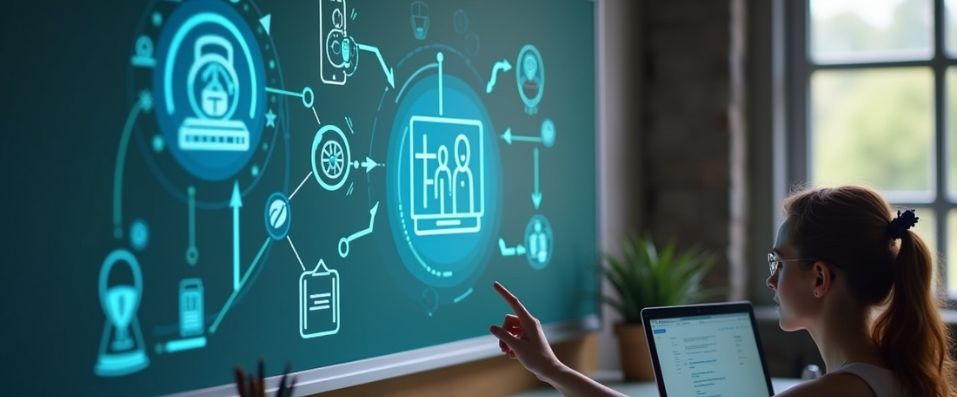
Separating AI from today’s education system has become impossible. In fact, artificial intelligence has become equally beneficial to both students and teachers.
Students take advantage of several AI-based apps that help them solve education-related problems. Teachers use quick AI checks to keep lessons moving. Families look for simple tools that explain tough subjects without extra stress. It feels quick and beneficial. However, many schools now pose a challenging question.
How secure are these tools when processing images or handling student data?
Every year, this question becomes more important. According to a recent EdWeek survey, more than 60% of districts currently use artificial intelligence. That figure continues to rise. Schools want assistance and speed. Additionally, they want student records to be protected. The combination puts additional strain on wise decision-making and digital security.
Teachers and parents frequently start by pointing to homework resources. A lot of students use apps that use pictures to solve problems. Families seek out tools that prioritize privacy over accuracy when seeking a safer solution.
Why AI Usage Grows So Quickly In Classrooms
Teachers and students now rely on AI for different reasons. Each group looks for something that saves time or clears up confusing work. That’s why AI security in education is compulsory. A few common trends show why adoption keeps going up.
Main reasons for the rapid growth:
- Fast support: Students get homework help from AI without waiting for answers. Support is quick, no matter the time.
- A more customized approach: The level of difficulty is adjusted by tools. Students can proceed at their own pace thanks to this.
- Less strain on employees: Teachers have hectic schedules. AI assists with additional practice or fast checks.
- Easy access: Every backpack already has a phone and a laptop in today’s age. AI tools integrate seamlessly with those devices.
These advantages encourage schools to investigate additional uses. However, rapid adoption also leaves gaps that dangerous tools or attackers can take advantage of. When AI is incorporated into coursework on a regular basis, new risks can appear quickly.
Top AI Security Risks in Education
Schools need to focus more on this. The learning itself is not the source of the biggest issues. They result from inadequate security for data, images, and inputs. AI provides powerful resources for students. However, these tools also pose new fears.
- Student Data Safety Problems
Student records now flow through more systems than ever. An AI tool may store homework photos, names, or text. If the system lacks strong limits, that data can leak. Attackers can pull info from weak APIs or unsecured model logs. Some older apps store images without encryption. That raises the chance of outside access.
Common warning signs include
- unclear data policies
- long storage times
- unknown servers
- open uploads with no privacy rules
Schools must treat student data as a top priority. Clear storage rules and strong access controls reduce risk.
- Prompt Injection and Trick Inputs
AI tools respond to instructions. If someone crafts a harmful input, the model can respond in unsafe ways. This problem often happens when students use tools that take photos of homework or accept long text prompts. A hidden phrase inside a picture can push the model to reveal data or bypass school filters.
Attackers also try clever manipulations that force an AI tool to run unexpected actions. These trick inputs may cause wrong answers, unsafe advice, or leaks of stored information.
- Data Poisoning and Model Problems
Some systems train on user submissions. If an attacker feeds tainted samples into a training source, the model can shift toward wrong or unsafe outputs. That process harms accuracy and also weakens security. Poisoned data can push answers toward harmful patterns or reduce quality in key subjects.
Model theft can happen too. Attackers try to copy the behavior of a school AI system by sending a large set of queries. If they succeed, they may uncover sensitive details about the model or its training set.
A helpful comparison table appears below.
| Risk Type | What It Means | Why Schools Should Care |
| Data Poisoning | Tainted samples enter the training source | Leads to wrong answers and weaker safety |
| Model Theft | Attackers copy model behavior | Reveals internal patterns or stored info |
| Corrupted Outputs | Unsafe or false answers appear | Confuses students and disrupts learning |
- Biased or Untrustworthy Responses
Even though the AI is confident, it occasionally produces biased or incorrect content. Without verifying the response, students might trust it. If the model repeats something it shouldn’t access, this could disseminate misleading information and reveal private information.
A school system appears unfair when there is bias. Additionally, it undermines trust between educators and families.
- The Use of Shadow AI in Schools
Unauthorized tools that students use without informing their teachers are referred to as “shadow AI.” These programs might gather information, monitor usage, or keep pictures of assignments on dubious servers. When shadow AI proliferates, schools become less visible on student activity. AI and cyber threats have more entry points when there are more unknown apps.
- Supply Chain Gaps
Schools and all other educational institutions should be vigilant while picking up third-party datasets. Remember, if any part of the chain is not secured, it can largely affect the complete system. An AI feature that looks simple to you may carry heavy risks. That’s why it is mandatory for schools to maintain a proper check and balance system.

- Low Explainability
Teachers need to understand how an AI system makes its decisions. If the tool feels like a mystery box, staff cannot spot odd behavior early. Lack of transparency makes audits harder and increases risk for student data safety.
- Overdependence on AI
Some students rely on AI for every task. This brings different concerns. A heavy dependence weakens critical thinking and creates a pattern where students trust any output, even unsafe ones. Overuse also drives more data into the system, which adds more exposure risk.
How to Avoid AI Security Risks in Education
Schools, colleges, and other educational institutions need clear steps that open ways to learning, but still limit problematic situations. Fortunately, following simple guidelines can help lower the risk posed by AI. They also assist students in making the most of smart tools without breaking the ethical barrier.
- Build an AI Policy That Everyone Can Follow
A school needs rules that students and staff actually understand. A short policy works better than a long binder that no one reads. It should answer a few direct questions.
- Which tools are approved?
- What data can teachers share?
- How should students use AI during class?
Leaders can form a small group of teachers, tech staff, and counselors to update the policy each quarter. Clear rules make it easier for families to trust the system.
- Use Better Data Controls
Student info should never sit on open servers. It should also never travel without protection. Schools can fix this with:
- encrypted storage
- short data retention periods
- logs that show who accessed each file
- strict limits on photo uploads
These controls block many common attacks. They also show families that the school cares about digital security.
- Test AI Tools Before Full Use
Some teachers download new tools fast because they need quicker support. A short test period solves this problem without slowing them down too much. Staff can check if the tool:
- hides past submissions
- blocks trick inputs
- handles pictures safely
- offers a simple privacy policy
If one feature looks weak, the school can reject the tool or request changes.
- Keep an Eye on Model Behavior
AI tools shift over time. They get updates. They also learn from patterns in student questions. Schools should review random outputs each month. That helps spot bias, false steps, or odd replies before they spread.
A short table helps staff decide what to check.
| Area To Check | What To Look For | Why It Matters |
| Output Quality | Wrong facts or unsafe advice | Students copy answers without testing them |
| Bias | Patterns that push one group down | Reduces trust in school systems |
| Privacy | Signs of stored past submissions | Protects student info from leaks |
- Stop Shadow AI before It Grows
Once students use unapproved apps, the school loses oversight. The best way to control this is not punishment. It is honest communication. Teachers can explain which tools stay safe and why some apps put students at risk. Many students follow rules when they hear the reason behind them.
Schools can also install network checks that spot unknown AI traffic. When staff sees new patterns, they can reach out to families or classes and talk through safer options.
- 6. Encourage Wise Student Practices
Learning should be guided by AI, not replaced by it. Instructors can ask students to share brief notes about how they used a tool. It only takes a few minutes to complete. Additionally, it encourages students to take their time and think independently.

Students who develop the ability to challenge AI results become lifelong safer users. They also steer clear of excessive reliance.
- 7. Experiment with Privacy Protection Techniques
Systems that store student data on local devices are used by certain districts. Others attempt models that hide sensitive information from each submission. These techniques lessen the possibility of leaks. They also make it easier for schools to comply with state privacy regulations.

César Daniel Barreto
César Daniel Barreto is an esteemed cybersecurity writer and expert, known for his in-depth knowledge and ability to simplify complex cyber security topics. With extensive experience in network security and data protection, he regularly contributes insightful articles and analysis on the latest cybersecurity trends, educating both professionals and the public.