Best Microphone for Streaming in 2026: Complete Buyer’s Guide for Every Setup
February 24, 2026 • César Daniel Barreto
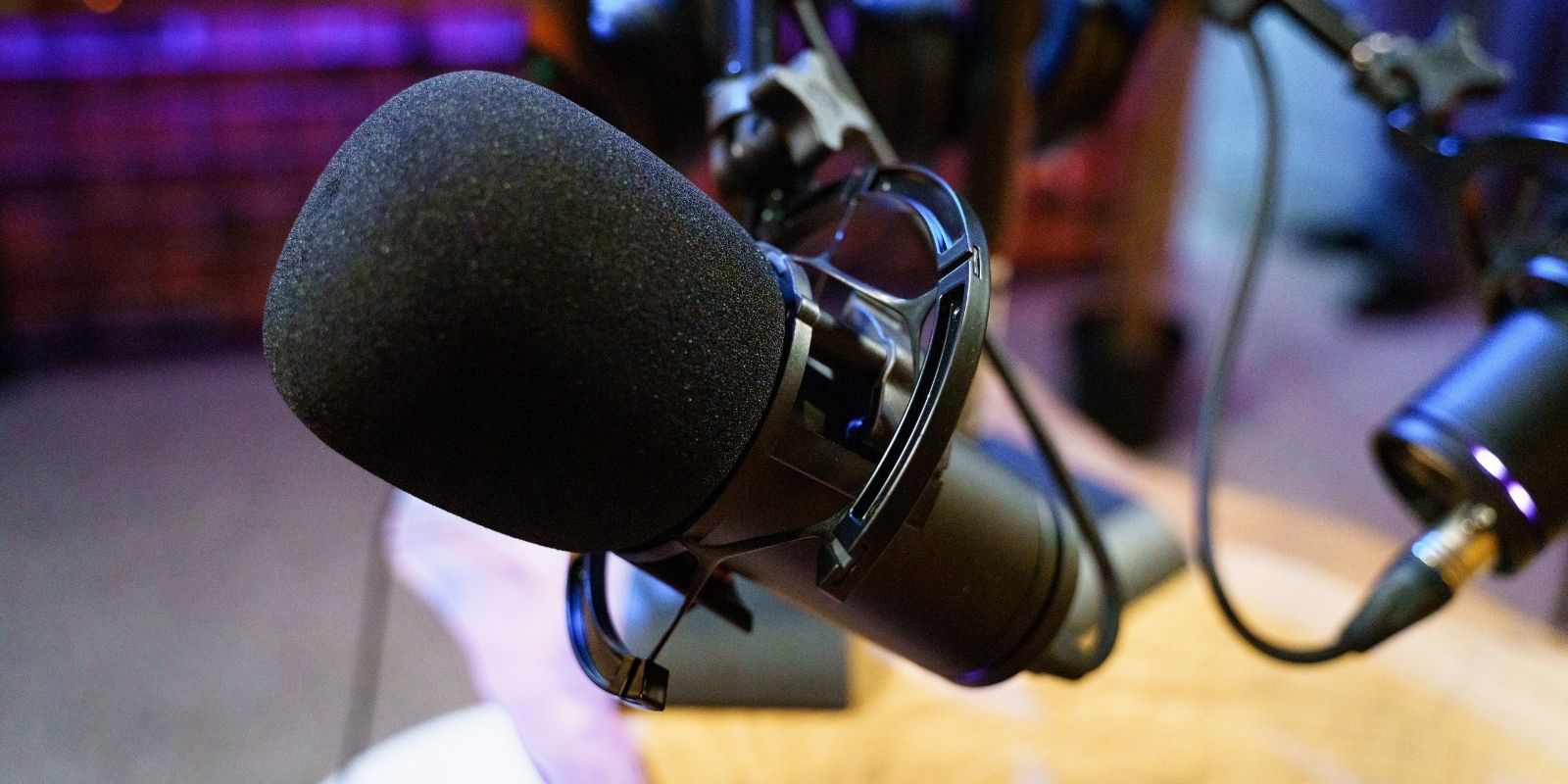
Finding the best microphone for streaming in 2026 means understanding how your room, workflow, and content style affect overall sound quality. Whether you focus on competitive gaming, live commentary, podcasts, or multi-platform streaming, your microphone determines how professional your sound feels to viewers.
Today’s streaming environment demands more than basic clarity. Strong noise cancellation, stable connectivity, solid built quality, and reliable USB or XLR performance are now standard expectations. Choosing the right microphone ensures your voice remains clear, controlled, and consistent across long streaming sessions.
What Makes a Microphone the Best for Streaming in 2026
The best streaming microphone in 2026 must deliver clean sound, controlled background noise, and dependable connectivity. While modern software tools improve noise cancellation, the physical design of the microphone still defines core sound quality.
Important characteristics now include:
- Reliable USB connectivity or expandable XLR connectivity
- Effective noise cancellation
- Real-time headphone monitoring
- Durable built quality
- Practical onboard features
- Broad platform compatibility
A well-designed microphone paired with correct audio settings ensures consistent vocal presence without distortion.
USB, XLR, and Hybrid Microphones Explained
Understanding USB and XLR microphones is essential when selecting the best microphone for streaming.
USB Microphone
A USB microphone offers simple plug and play functionality. It connects directly to your computer and works instantly with streaming software. For most entry-level and mid-range streamers, a USB setup delivers excellent sound quality without additional hardware.
USB microphones are particularly popular in gaming environments where ease of setup matters.
XLR Microphone
An XLR microphone requires an audio interface but offers expanded control over gain and tone shaping. With proper equipment, XLR systems can provide lower noise floors and more advanced connectivity options. However, XLR alone does not guarantee better sound, capsule design and room treatment still matter more.
Hybrid USB/XLR Microphone
Hybrid microphones combine USB and XLR connectivity, allowing you to start simple and expand later. This makes them ideal for streamers transitioning from entry-level setups to more premium configurations without replacing their microphone.
Dynamic vs Condenser for Streaming and Gaming
The difference between dynamic and condenser microphones strongly impacts streaming sound.
Dynamic Microphone
A dynamic microphone is typically the safest choice for streaming and gaming in untreated rooms. It rejects ambient noise, focuses on your voice, and reduces keyboard and fan interference. Many dynamic microphones use a cardioid polar pattern, which captures sound from the front while minimizing background distractions.
Dynamic models are highly recommended for gaming streaming, where environmental noise is common.
Condenser Microphone
A condenser microphone captures more detail and higher high-frequency clarity. It works best in treated spaces with minimal background noise. Many condenser microphones include adjustable polar pattern options, offering flexibility for interviews or multi-person streams.
However, because they are more sensitive, condensers often require stronger noise cancellation processing to maintain clean sound quality.
Recommended Microphones by Use Case (2026)
The table below organizes microphone types by streaming context and budget tier.
| Use Case | Microphone Type | Why It Works in 2026 |
|---|---|---|
| Noisy room, heavy gaming | Dynamic USB microphone | Strong noise rejection and easy connectivity |
| Growing channel, future expansion | Hybrid USB/XLR dynamic microphone | Flexible connectivity with long-term scalability |
| Treated studio setup | USB condenser microphone | Detailed sound and flexible polar pattern options |
| Tight budget | Entry-level USB dynamic microphone | Affordable with solid built quality |
| High-end studio | Premium XLR dynamic microphone | Superior control, premium features, advanced connectivity |
Budget, Mid-Range, and Premium Microphone Tiers
Choosing the best microphone also depends on your budget.
An entry-level microphone under $100 can significantly improve gaming and streaming compared to headset audio. This improvement becomes particularly noticeable for creators producing commentary, reactions, or live sessions tied to online entertainment platforms such as spacemov.co, where clear vocal presence enhances audience engagement.
In the mid-range category, microphones often include improved built quality, better features, stronger headphone monitoring, and enhanced sound shaping through software.
In the premium tier, microphones paired with XLR connectivity and quality interfaces deliver expanded control and improved noise performance. Premium setups typically offer superior internal components, advanced connectivity, and refined sound quality for professional creators.
Sound Quality, Settings, and Accessories
Even the best microphone benefits from correct sound settings and proper accessories.
Adjusting gain properly prevents distortion and keeps background noise controlled. Real-time monitoring through a headphone output allows accurate adjustment of streaming settings.
Common accessories that improve performance include:
- Boom arms for stable positioning
- Pop filters for reducing plosives
- Shock mounts for minimizing vibration
- Acoustic panels for reducing room noise
Proper microphone placement combined with controlled settings significantly improves overall sound quality.
Brands, Reviews, and Compatibility Considerations
Leading brands such as Shure, Blue, and Fifine continue refining their streaming microphones with improved connectivity and durability. Reading updated reviews helps verify real-world performance, especially for gaming and live streaming contexts.
Before purchasing, check platform compatibility with your operating system and streaming software. Most USB microphones offer universal compatibility, while XLR systems depend on interface support.
RGB Features and Gaming Aesthetics
For gaming setups, many microphones now include customizable RGB lighting. While RGB does not affect sound quality, it enhances visual presentation during streaming. Some USB microphones integrate RGB controls directly into their features, balancing aesthetics and functionality.
Final Verdict: What Is the Best Microphone for Streaming in 2026?
The best microphone for streaming in 2026 depends on your environment and goals. For most gaming and home streaming setups, a dynamic USB microphone provides the most reliable sound quality with effective noise control and simple connectivity.
Hybrid USB/XLR microphones offer future-proof flexibility, while condenser microphones perform best in quiet, treated spaces. Premium XLR systems provide expanded control for advanced creators, but they require greater investment.
Ultimately, selecting the right microphone ensures your streaming voice remains clear, professional, and consistent, and that is what truly defines the best microphone in 2026.

César Daniel Barreto
César Daniel Barreto is an esteemed cybersecurity writer and expert, known for his in-depth knowledge and ability to simplify complex cyber security topics. With extensive experience in network security and data protection, he regularly contributes insightful articles and analysis on the latest cybersecurity trends, educating both professionals and the public.
 English
  German
  Danish
  Italian
  Swedish
  Romanian
  Thai
Thai  Vietnamese
  Japanese
  Dutch
Dutch  Korean
  Arabic
  Hungarian