How Has the Development of Technology Positively Affected Our Wellness?
February 19, 2026 • César Daniel Barreto

The development of technology has changed wellness in a practical and measurable way. Health management is no longer limited to occasional doctor visits or symptom-based treatment. Today, individuals can monitor sleep quality, heart rhythm, stress levels, and activity patterns in real time.
At the center of this transformation is a simple principle: when health data becomes accessible and care becomes easier to reach, people move from passive patients to active decision-makers. Technology does not replace medical professionals, but it strengthens prevention, improves access, and supports both physical and mental well-being.
Improved Access to Healthcare Through Telemedicine and Virtual Care

Removing Traditional Barriers
One of the clearest ways technology has improved wellness is by expanding access to healthcare. Telemedicine eliminates many of the obstacles that previously delayed care, including:
- Travel time
- Long waiting periods
- Scheduling conflicts
- Geographic limitations
Virtual consultations allow patients to seek advice sooner, reducing the likelihood that minor issues escalate into serious conditions.
Where Virtual Care Makes the Biggest Difference
Telemedicine is especially valuable in three areas:
- Routine follow-ups – Patients are more likely to attend appointments when travel is not required.
- Chronic disease management – Conditions such as hypertension, asthma, and diabetes benefit from remote monitoring and regular check-ins.
- Mental health support – Online therapy sessions improve access for individuals who prefer private, at-home consultations.
At the system level, virtual care also reduces congestion in clinics, allowing in-person visits to focus on cases requiring physical examination.
Real-Time Health Monitoring with Wearable Technology
Continuous Data Instead of Occasional Snapshots
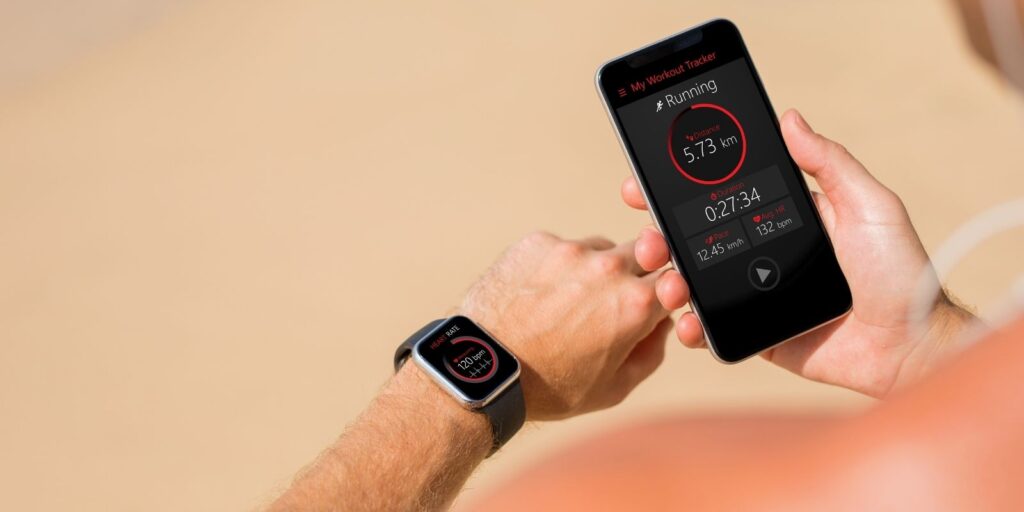
Wearable devices such as smartwatches and fitness trackers have made health monitoring continuous rather than episodic. These tools can track:
- Heart rate and heart rate variability
- Blood oxygen levels
- Sleep cycles
- Physical activity
- In some cases, ECG readings
Instead of relying solely on annual checkups, individuals now generate daily health insights.
Why Continuous Monitoring Matters
The value lies in pattern detection. A single abnormal reading may not be significant, but consistent irregularities can signal emerging health concerns. Early alerts for heart rhythm issues or abnormal oxygen levels can prompt earlier medical evaluation.
Wearables also influence behavior. Research in behavioral science shows that measurable feedback improves adherence. When users see progress in step counts or improved sleep scores, they are more likely to maintain healthy habits.
This transforms wellness into a trackable and adjustable process rather than an abstract goal.
AI and Personalized Medicine in Modern Healthcare
Smarter Data Interpretation
Artificial intelligence enhances healthcare by analyzing large datasets, including genetic profiles, medical history, and lifestyle patterns. Rather than replacing clinicians, AI supports better decision-making.
In diagnostics, AI assists in interpreting imaging scans and pathology results. In preventive care, predictive models identify elevated risks for cardiovascular disease or metabolic disorders before symptoms appear.
The Rise of Personalized Treatment
Personalized medicine moves away from standardized “average patient” models. Instead, treatment plans consider individual genetic markers and biological responses. This approach improves precision and reduces adverse effects.
Technology has therefore shifted healthcare toward more individualized care pathways, increasing the effectiveness of interventions.
Mental Wellness and Digital Support Platforms
Mental health support has also been reshaped by technology. Mobile applications now provide structured cognitive behavioral therapy exercises, guided mindfulness sessions, stress tracking tools, and mood journaling systems.
The benefit is accessibility and immediacy. Individuals who may hesitate to seek in-person therapy can begin with guided digital support. In addition, online communities provide peer connection, which research shows can reduce feelings of isolation.
AI-enhanced platforms personalize recommendations based on user behavior. For example, if sleep disruptions or mood fluctuations are detected, the system may suggest specific coping exercises.
While digital tools do not replace professional care for severe conditions, they significantly expand early support options and normalize proactive mental wellness management.
Early Disease Detection and Preventive Care Innovations
Preventive care represents one of the most powerful positive effects of technology on wellness. Early detection tools enable intervention before diseases progress.
Examples include:
- Continuous glucose monitors improving diabetes management.
- AI-assisted imaging detecting early-stage cancers.
- Remote cardiac monitoring identifying arrhythmias.
- Predictive analytics recognizing population-level health trends.
Early detection improves survival rates, reduces treatment intensity, and lowers long-term healthcare costs.
Prevention is no longer dependent solely on periodic checkups. Continuous monitoring and intelligent analysis support ongoing risk assessment.
How Technology Strengthens Wellness
| Technology Area | Primary Benefit | Example Impact |
|---|---|---|
| Telemedicine | Improved access to care | Faster consultations and better treatment adherence |
| Wearable Devices | Continuous monitoring | Early detection of irregular heart rhythms |
| Artificial Intelligence | Enhanced diagnostics | Improved imaging interpretation and risk prediction |
| Personalized Medicine | Tailored treatments | Reduced side effects and more effective therapy |
| Mental Health Apps | Increased accessibility | Immediate stress and mood support tools |
| Remote Monitoring | Preventive care | Real-time glucose and cardiac tracking |
Lifestyle Integration and the Rise of Everyday Digital Health Tools
Technology has not only improved clinical outcomes; it has also reshaped how wellness fits into daily routines. The widespread adoption of wearable devices has made health tracking part of ordinary life rather than a specialized activity. From counting steps during commutes to monitoring sleep quality overnight, wearable devices now operate quietly in the background, collecting data without disrupting routines.
This shift reflects broader changes in consumer expectations. People increasingly expect health services to mirror the usability of other digital platforms: intuitive interfaces, instant feedback, and seamless access. As a result, the broader digital health ecosystem has expanded to meet these demands.
One of the clearest examples is the growth of fitness apps, which allow users to track workouts, nutrition, hydration, and progress toward personal goals. Many fitness apps integrate directly with smartwatches and other tracking systems, creating a connected experience that simplifies self-monitoring. The emphasis is not only on performance but also on usability and convenience, allowing individuals to manage their health without complex equipment or clinic visits.
This emphasis on convenience has redefined how wellness tools are adopted. When technology reduces friction, engagement increases. Health management becomes less about disruption and more about integration into everyday life.
Evolving Care Models and the Growth of the Wellness Technology Market
Beyond personal tracking, care delivery models have also evolved. The normalization of virtual appointments has extended healthcare access into homes and workplaces. Instead of scheduling around clinic hours, individuals can arrange virtual appointments that align with daily responsibilities, reducing delays in care.
At the same time, remote monitoring systems allow clinicians to review patient data between visits rather than relying solely on isolated snapshots. This continuous oversight supports preventive care without increasing physical clinic traffic.
Digital platforms have also strengthened peer engagement. Through moderated online communities, individuals managing similar health goals or conditions can exchange practical advice and encouragement. These networks contribute to accountability and emotional support while remaining accessible at any time.
The broader industry context reflects this expansion. Sustained market growth in wellness technology has encouraged innovation from both established companies and emerging startups. New entrants frequently focus on specialized niches, such as sleep optimization, metabolic tracking, or AI-driven habit coaching, further diversifying available tools.
Together, these developments illustrate how technology has reshaped not only medical systems but also lifestyle habits and service models. Wellness is no longer confined to appointments and prescriptions. It is increasingly embedded in daily digital interactions, often occupying small but consistent portions of time throughout the day.
Challenges of Technology in Wellness and How to Address Them
Despite clear benefits, technology-driven wellness presents challenges.
Data Privacy and Security
Health data is highly sensitive. Robust encryption, regulatory compliance, and transparent privacy policies are essential to protect users.
Digital Health Literacy
Access to tools does not guarantee correct interpretation. Individuals may misread data or experience unnecessary anxiety. Education and professional guidance must accompany digital tools.
Integration and Interoperability
Healthcare systems often struggle to integrate consumer-generated data into traditional medical records. Seamless interoperability remains a work in progress.
Addressing these issues ensures that technology enhances wellness responsibly rather than creating unintended risks.
Frequently Asked Questions
How has the development of technology positively affected our wellness?
Technology has improved wellness by expanding healthcare access, enabling real-time health monitoring, supporting mental health, personalizing treatments, and improving early disease detection.
How does technology affect wellness overall?
It shifts healthcare from reactive treatment to proactive management, empowering individuals with data-driven insights and continuous monitoring tools.
What is the biggest benefit of technology in health?
The combination of accessibility and prevention. Early detection and remote care significantly improve outcomes while reducing systemic strain.
Final Thoughts
The development of technology has transformed wellness from episodic care into an integrated, data-informed ecosystem. Telemedicine improves accessibility. Wearables provide continuous feedback. AI enhances diagnostic accuracy. Digital platforms expand mental health support.
While challenges remain in privacy, literacy, and system integration, the overall trajectory is clear. Technology has positively affected our wellness by empowering individuals, strengthening prevention, and modernizing healthcare delivery.
As innovation continues, the integration between daily life and digital health systems will likely deepen, further reinforcing technology’s role as a foundational driver of modern well-being.

César Daniel Barreto
César Daniel Barreto is an esteemed cybersecurity writer and expert, known for his in-depth knowledge and ability to simplify complex cyber security topics. With extensive experience in network security and data protection, he regularly contributes insightful articles and analysis on the latest cybersecurity trends, educating both professionals and the public.
 English
  German
  Danish
  Italian
  Swedish
  Romanian
  Thai
Thai  Vietnamese
  Japanese
  Dutch
Dutch  Korean
  Arabic
  Hungarian