qi2 wireless charging alaikas
January 15, 2026 • security
Introduction
The advent of Qi2 wireless charging represents an important milestone in the realm of wireless power transfer technologies. Announced in early 2023 by the Wireless Power Consortium, Qi2 aims to enhance the capabilities of its predecessor, Qi1, by introducing magnetic alignment and improved efficiency. This advancement promises to redefine how we charge our devices, offering faster speeds, better safety, and broader compatibility with various devices. As the world becomes increasingly reliant on wireless solutions, understanding the nuances of Qi2 is crucial for consumers and manufacturers alike.
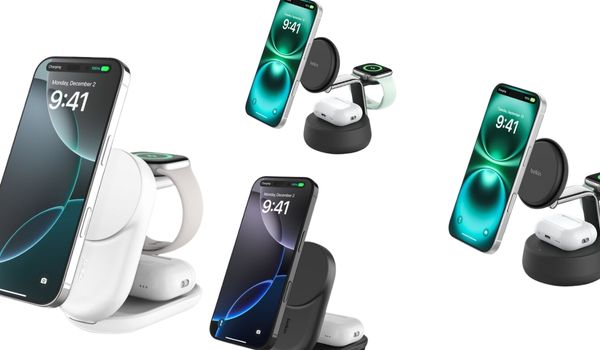
Wireless charging has transformed the way we power our devices, eliminating the need for cumbersome cables and connectors. The introduction of Qi2 wireless charging brings a new level of precision and consistency with its Magnetic Power Profile (MPP), inspired by Apple’s MagSafe technology. This innovation utilizes magnets to ensure the perfect and predictable alignment between the charging pad and the device, reducing friction in the charging process and enhancing both charging efficiency and convenience. Whether placed on a desk or a bedside table, the Qi2 chargers seamlessly integrate into any environment, making charging more accessible.
Wireless Charging and Qi2 Alignment
Wireless charging has transformed the way we power our devices, eliminating the need for cumbersome cables and connectors. The introduction of Qi2 wireless charging brings a new level of precision with its Magnetic Power Profile (MPP), inspired by Apple’s MagSafe technology. This innovation utilizes magnets to ensure the perfect alignment between the charging pad and the device, enhancing charging efficiency and reducing energy loss. Misalignment, a common issue with Qi1, often led to slower charging speeds and increased heat generation. Qi2 addresses the problem by ensuring that device and charger coils are perfectly aligned, thus maximizing the transfer of energy.
Efficiency is a key factor in the evolution of wireless charging technologies. Qi2 delivers up to 15W of power, doubling the typical 7.5W offered by Qi1. This increased power output significantly reduces charging times, bringing devices from low to full charge in under an hour for compatible models. However, with increased power comes the challenge of managing heat and maintaining proper alignment for predictable consistency. The friction between increased power demands and heat management requires sophisticated cooling and throttling mechanisms for optimal performance.
Efficiency is a key factor in the evolution of wireless charging technologies. Qi2 delivers up to 15W of power, doubling the typical 7.5W offered by Qi1. This increased power output significantly reduces charging times, bringing devices from low to full charge in under an hour for compatible models. However, with increased power comes the challenge of managing heat. In the case of Qi2 chargers, they are equipped with advanced heat management systems, including AI algorithms that adapt power delivery to optimize charging efficiency, making them a smart choice for any workflow.
Case Compatibility and Charger Types
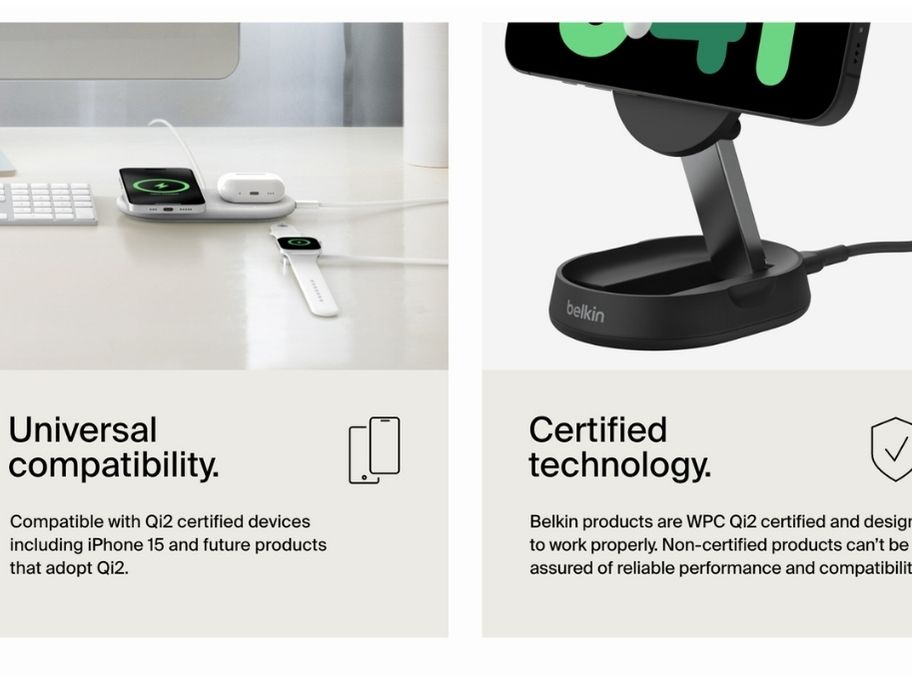
The compatibility of device cases and charger types also influences the effectiveness of Qi2 wireless charging. Thick or metal cases can obstruct the magnetic alignment and reduce charging efficiency. Therefore, it’s recommended to use cases that are specifically designed to work with wireless charging technologies. Qi2-certified chargers come in various forms, including bedside, desk, and car setups, providing flexibility for different charging scenarios. Throttling mechanisms within these chargers ensure that the power output is optimized for the specific setup, whether you’re charging at home or in your car.
Power Adapters and Charging Speed
Power adapters play a critical role in achieving the maximum charging speed offered by Qi2. Using a high-quality adapter that supports the necessary power output is essential for realizing the full potential of Qi2’s 15W charging capability. Suboptimal adapters can limit the charging speed and efficiency, resulting in longer charge times and a lack of consistency. Therefore, investing in a reliable adapter that complements the Qi2 setup is crucial for users seeking the fastest and most efficient charging experience, ensuring consistency across all charging sessions.
Device Compatibility and Charging Stability

As of 2025, a growing number of devices support Qi2 wireless charging, including the iPhone 15+, Samsung Galaxy S23 Ultra+, Google Pixel 8 Pro, and select models from Xiaomi, Oppo, and Huawei. While Qi2 is backward compatible with Qi1 devices, optimal performance is achieved with Qi2-certified products. Another important consideration is charging stability, as foreign objects or poor alignment can disrupt the charging process. Qi2 chargers are equipped with foreign object detection features that ensure consistent and safe charging by shutting down power delivery when necessary.
Routine and Troubleshooting
Incorporating Qi2 wireless charging into your daily routine requires some adjustments to ensure optimal performance. Positioning the device correctly on the charger and keeping the charging area free of metal objects are essential practices. For troubleshooting common issues, such as slow charging or heat generation, users should ensure that their devices and chargers are Qi2-certified and that the setup is free from obstructions. Regularly updating device firmware can also enhance compatibility and performance with Qi2 protocols.
Using Qi2 with iPhone 13 in 2025, Samsung Galaxy S21 Qi2 Charging Setup
In 2025, using Qi2 with an iPhone 13 involves leveraging the backward compatibility feature, albeit at reduced speeds compared to newer models. For optimal performance, users should ensure their charging setup includes a Qi2-certified charger and adapter. Similarly, the Samsung Galaxy S21 can benefit from Qi2’s enhanced alignment and efficiency, though it may not achieve the full 15W charging speed available to newer devices. These examples highlight the importance of using compatible accessories and maintaining a proper charging setup for the best results.
Frequently Asked Questions
- What devices support Qi2 charging? As of 2025, devices such as the iPhone 15+, Samsung Galaxy S23 Ultra+, Google Pixel 8 Pro, and select Xiaomi, Oppo, and Huawei models support Qi2 charging at 15W.
- What is the difference between Qi charging and Qi2 charging? Qi2 introduces magnetic alignment for better efficiency and supports up to 15W charging speeds, compared to Qi1’s 7.5W, along with enhanced safety features.
- Is it okay to leave the phone on a Qi charger overnight? Yes, Qi2 chargers are equipped with safety features that prevent overcharging and overheating, so it’s safe to leave your phone on the charger overnight.
- Is Qi better than MagSafe? Qi2 offers broader compatibility across different brands and devices, while MagSafe is specifically optimized for Apple products. The choice between them depends on the user’s device ecosystem and personal preferences.
Final Thoughts
Qi2 wireless charging represents a significant advancement in the field of wireless power transfer, offering enhanced efficiency, speed, and safety features that cater to the modern consumer’s needs. As more devices and accessories become Qi2-certified, the convenience and reliability of wireless charging will continue to improve, making it an integral part of our daily lives. Whether at home, at work, or on the go, Qi2 provides a seamless and efficient charging experience that aligns with the fast-paced demands of today’s world.
Related Articles
- How to Choose the Best Wireless Charger: Discover the key factors to consider when selecting a wireless charger for your devices.
- Top Wireless Charging Myths Debunked: Uncover the truth behind common misconceptions about wireless charging technology.
- Improving Battery Life with Qi2: Learn how Qi2 wireless charging can enhance your device’s battery performance and longevity.
- The Future of Wireless Charging Technology: Explore the latest trends and innovations shaping the future of wireless charging.
- Comparing Qi2 with MagSafe: Analyze the differences and similarities between Qi2 and MagSafe to determine which is best for you.
- Setting Up a Wireless Charging Station at Home: Get tips and ideas for creating an efficient and convenient wireless charging station at home.

security
admin is a senior staff writer for Government Technology. She previously wrote for PYMNTS and The Bay State Banner, and holds a B.A. in creative writing from Carnegie Mellon. She’s based outside Boston.
 English
  German
  Danish
  Italian
  Swedish
  Romanian
  Thai
Thai  Vietnamese
  Japanese
  Dutch
Dutch  Korean
  Arabic
  Hungarian