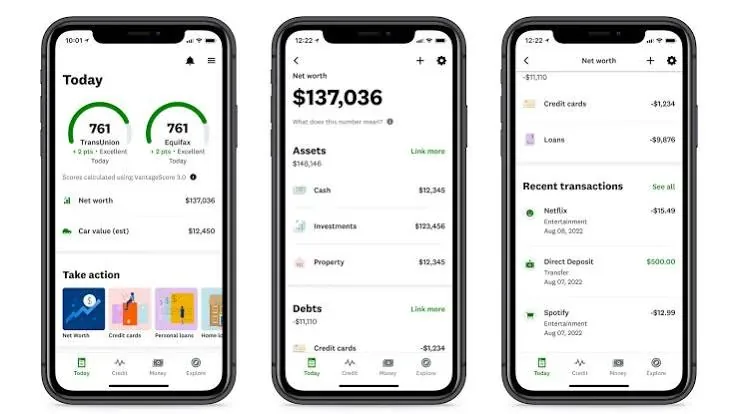
Credit Karma is accurate for what it actually shows: real credit data pulled directly from TransUnion and Equifax. The catch is the score number itself, which can differ meaningfully from what lenders see, because Credit Karma uses a different scoring model than most banks.
Credit Karma shows VantageScore 3.0 scores based on TransUnion and Equifax data. A lender may use another model or bureau, so its score can differ. Use the reports to monitor changes and check for errors rather than assuming the displayed score predicts an application outcome.
Reviewed by Alessandro Mirani · Last reviewed July 1, 2026. This article explains how Credit Karma’s scores and monitoring work and where they differ from lender scoring. It is general information, not financial advice.
The core issue: VantageScore vs. FICO
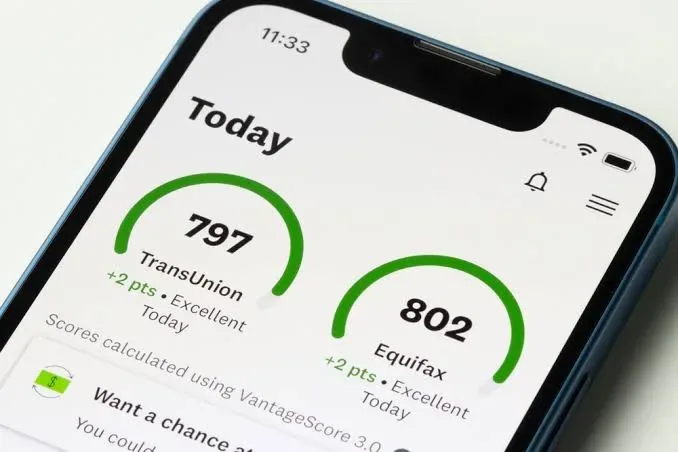
Credit Karma uses VantageScore 3.0, not FICO. Both models use the same 300–850 range, which makes them look interchangeable, but they weight factors differently and can produce materially different results:
- There is no fixed point conversion between VantageScore and FICO. Differences depend on the model, bureau data and calculation date.
- Lenders can use different score models and versions. Ask your lender which score and bureau it uses for the product you are applying for.
What Credit Karma gets right
- Credit report data comes from TransUnion and Equifax, but errors or reporting delays can occur. Review unfamiliar accounts and dispute inaccurate information with the relevant bureau.
- Trend tracking. It’s genuinely useful for watching whether your score is moving up or down over time.
- Account monitoring. It reports the exact dates when creditors report balances to the bureaus, which most other free tools don’t show.
- New accounts and inquiries. It alerts you quickly when something new appears on your report.
That last point matters more than most people think. With large-scale incidents like the AT&T data breach exposing personal data, and fraud trends in 2026 leaning heavily on identity abuse, a free tool that flags a new account you didn’t open is a real early-warning system. Pair it with cleaning your details off people-search sites like USPhoneBook and staying alert to payment app scams, and you’ve covered the basics of identity protection without spending anything.
Where it falls short
| Limitation | Detail |
|---|---|
| Missing Experian | Only shows 2 of 3 bureaus; Experian data is absent entirely |
| Score inflation | A VantageScore may be higher or lower than another model; it does not guarantee approval or a particular rate. |
| Old derogatory marks | May show “100% on-time payments” even if a late payment exists from 5+ years ago; FICO still weighs those heavily |
| “Pre-approved” offers | Approval Odds are not guarantees; they’re based on comparisons with other Credit Karma members, not lender criteria |
| Score model mismatch | Lenders use many FICO versions (FICO 8, FICO 9, FICO Auto, FICO Mortgage); Credit Karma shows none of them |
Bottom line: when to use it (and when not to)
Use Credit Karma for:
- Free ongoing credit monitoring
- Spotting errors or fraudulent accounts on your TransUnion and Equifax reports
- Tracking progress trends over months
Don’t rely on it for:
- Predicting approval or rates before a mortgage, auto loan, or any serious credit application
- Assuming the number is your “real” credit score
For lending decisions, check your actual FICO score through Experian (free tier available), myFICO, or directly through your bank or credit card issuer, since many provide free FICO scores. You can also pull your full reports from all three bureaus at no cost through AnnualCreditReport.com, the official source authorized by US federal law.
Frequently asked questions
Is Credit Karma’s score my real credit score?
It’s a real score, calculated from real TransUnion and Equifax data, but it’s a VantageScore 3.0. Most lenders pull a FICO score instead, so the number you see on Credit Karma is usually not the number a lender sees.
Why is my Credit Karma score different from my FICO score?
The models can use different factors and versions, and the underlying bureau data may differ. There is no universal point difference or reliable conversion formula.
Does Credit Karma show all three credit bureaus?
No. Credit Karma shows TransUnion and Equifax only. Anything that appears solely on your Experian report won’t show up at all.
Are Credit Karma’s Approval Odds reliable?
Treat them as rough estimates, not guarantees. They’re based on comparisons with other Credit Karma members with similar profiles, not on the actual criteria a specific lender uses.
Where can I see the score lenders actually use?
Check Experian’s free tier, myFICO, or your own bank or credit card issuer, since many now include a free FICO score. Before a major application like a mortgage, ask the lender which score model they pull.
This article is general information, not financial advice. Credit scoring models, lender practices, and Credit Karma’s features change over time; verify current details with the lender or service directly before making financial decisions.
 English
  German
  Danish
  Italian
  Swedish
  Romanian
  Thai
Thai  Vietnamese
  Japanese
  Dutch
Dutch  Korean
  Arabic
  Hungarian